table of contents
If you’re living with diabetes, chances are you’ve gotten pretty good at scanning food labels. You’ve learned to look for total carbohydrates, added sugars, and fiber. But there’s one more item on that label that often causes confusion: sugar alcohols.
They’re commonly found in sugar-free foods, low-carb snacks, protein bars, and even toothpaste. They’re often marketed as “diabetes-friendly,” but what exactly are sugar alcohols? Do they raise blood sugar? Are they safe?
Let’s break down what you need to know about sugar alcohols, especially if you’re trying to manage type 2 diabetes.
What Exactly Are Sugar Alcohols?
Despite the name, sugar alcohols aren’t sugar as you know it—and they’re definitely not alcoholic.
They’re a type of carbohydrate used as low-calorie sweeteners. Naturally found in small amounts in fruits and vegetables, most sugar alcohols used in food products today are manufactured from starches and sugars.
What makes them unique is how they’re metabolized. Your body doesn’t fully absorb sugar alcohols, which means fewer calories and a smaller impact on blood sugar than table sugar. That’s why they’re common in “sugar-free” and “low-carb” food products.
Common Sugar Alcohols
There are several types of sugar alcohols, and each has a slightly different taste, texture, and effect on digestion. Here are the most popular ones you’ll see on ingredient labels:
-
Xylitol
Found in sugar-free gum, toothpaste, and candies, xylitol tastes a lot like regular sugar and even has a cooling effect in your mouth. -
Sorbitol
Used in sugar-free jelly, candy, and diet drinks, sorbitol has a smooth taste but is known to cause bloating in higher doses. -
Erythritol
A favorite in keto and diabetic products, erythritol is often paired with natural sweeteners like stevia (as in Truvia). It’s absorbed more efficiently, so it causes fewer digestive issues than other sugar alcohols. -
Maltitol
This one is very close in taste and texture to sugar. It’s often used in sugar-free chocolate, baked goods, and protein bars.
Each sugar alcohol differs slightly in sweetness and caloric content. Most contain about 1.5 to 3 calories per gram, compared to 4 calories per gram for regular sugar.¹
Sugar Alcohols and Diabetes
The biggest selling point of sugar alcohols for people with diabetes? They don’t cause rapid blood sugar spikes like traditional sugar.²
Because they’re only partially digested and absorbed, they enter your bloodstream more slowly. This makes them a useful tool for reducing sugar intake, especially when managing your glucose levels.
However, they’re still classified as carbohydrates, which means they can affect your blood sugar—just not as dramatically. So, while “sugar-free” might sound like a green light, it’s still important to:
-
Check the total carbohydrate count on the nutrition label
-
Read the ingredient list to identify which sugar alcohol is used
-
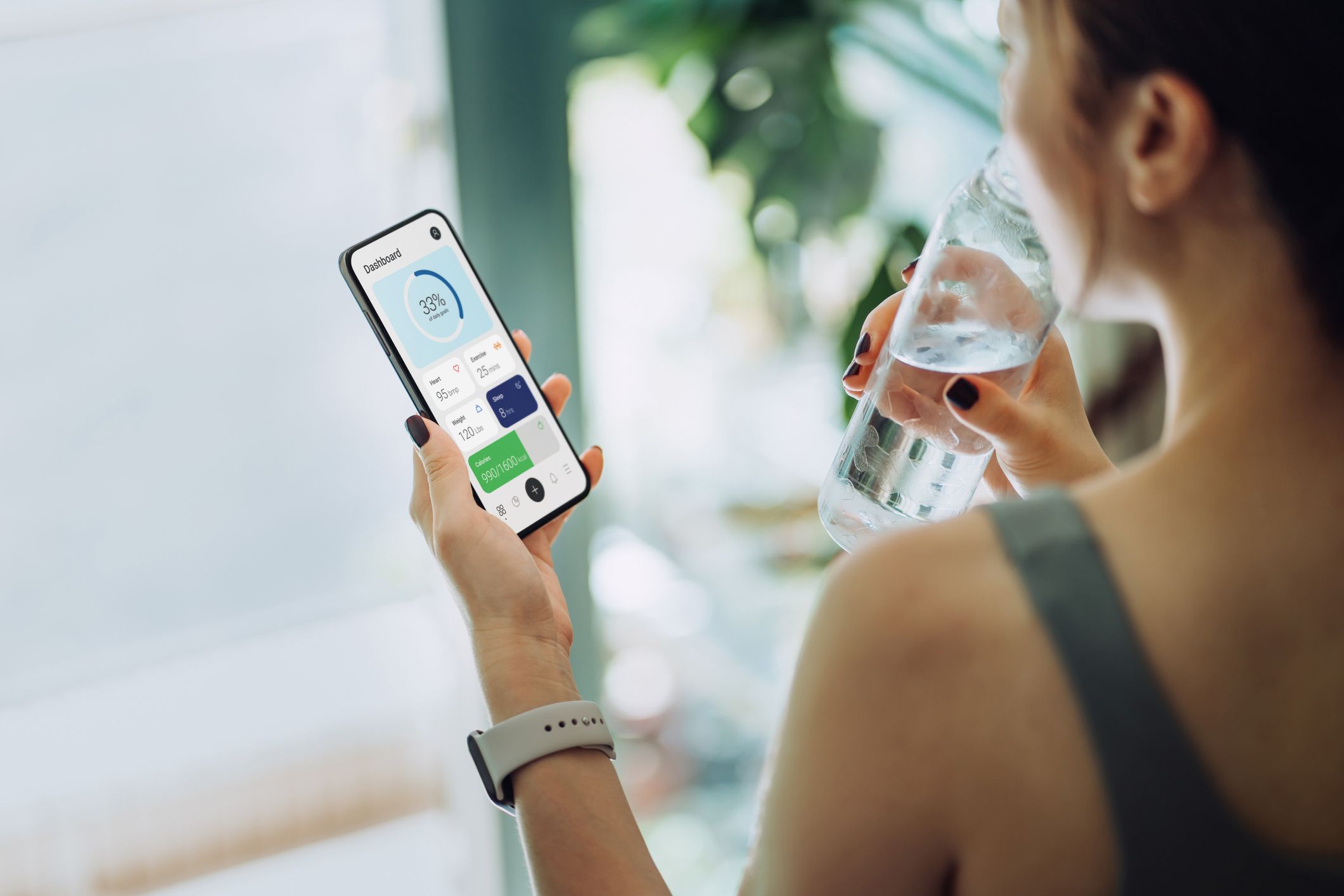
Track your glucose response using Glucofit, especially when trying a new product
Glucofit lets you log foods that contain sugar alcohols and see how your body responds—so you can determine what works best for you.
Benefits of Sugar Alcohols Over Regular Sugar
Here are a few key advantages sugar alcohols offer for people with diabetes:
-
Fewer calories
Most sugar alcohols have about half the calories of sugar. That’s helpful for weight management. -
Lower glycemic impact
They have a much lower glycemic index than sugar, which means they’re less likely to cause sharp rises in blood glucose. -
Tooth-friendly
Unlike sugar, sugar alcohols like xylitol don’t feed bacteria in your mouth, making them gentler on your teeth. -
OK for low-carb diets
If you’re following a carb-conscious or keto-friendly eating plan, sugar alcohols are often allowed in moderation.
So yes, sugar alcohols can fit into a diabetes-friendly diet. But—like most things—moderation is key.
The Downside: Digestive Issues
Here’s where sugar alcohols get tricky. Since they aren’t fully digested, they ferment in the large intestine, which can lead to:
-
Gas
-
Bloating
-
Abdominal discomfort
-
Diarrhea (especially in larger amounts)³
Some sugar alcohols—like sorbitol and xylitol—are more likely to cause digestive distress than others. Erythritol, on the other hand, is typically better tolerated because it’s absorbed earlier in the digestive tract and excreted unchanged.
If you’ve ever eaten a “sugar-free” protein bar and spent the next few hours feeling uncomfortable, sugar alcohols were likely the culprit.
To avoid this:
-
Try small amounts first, especially if you’re new to sugar alcohols
-
Look for products with erythritol if you have a sensitive stomach
-
Avoid combining multiple products with sugar alcohols in one day
-
Always read labels carefully—especially on “low-carb” or “sugar-free” snacks
Glucofit Tip: Track, Learn, Adjust
Every body reacts differently. With Glucofit, you can:
-
Log meals containing sugar alcohols
-
Track glucose responses post-meal
-
Identify trends between types of sweeteners and blood sugar changes
-
Note digestive symptoms to see if certain sugar alcohols cause discomfort
This kind of real-time feedback helps you make informed decisions and fine-tune your diet—without the guesswork.
Final Thought
Sugar alcohols can be a helpful way to reduce sugar intake, manage blood sugar, and satisfy your sweet tooth—but they’re not a free pass. Like any carb, they count. Like any food additive, they affect each person differently.
The key is understanding how they work, using them wisely, and listening to your body. With the help of tools like Glucofit, you can make smarter choices—one label at a time.
Sources: