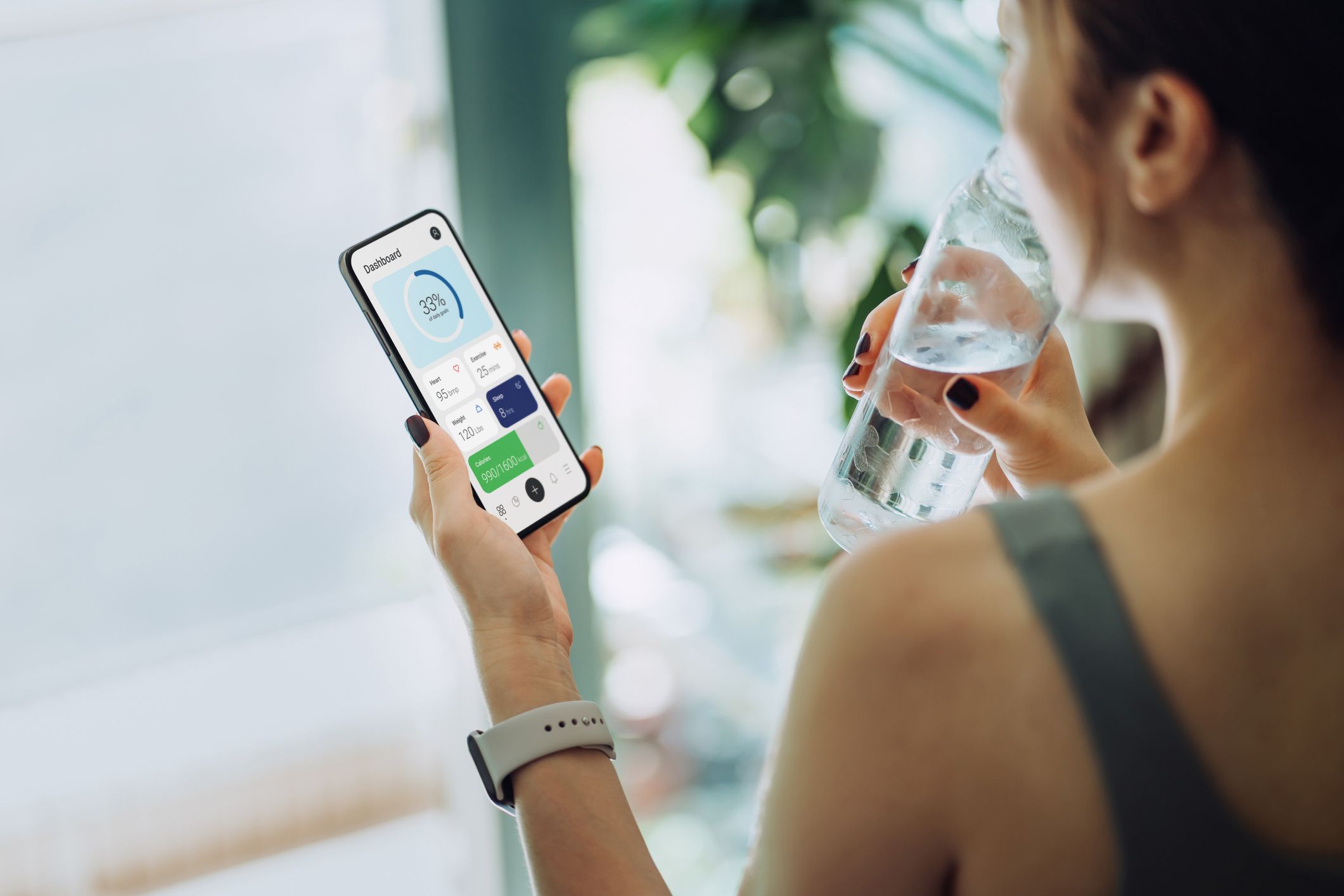
Managing diabetes requires constant attention, decision-making, and data tracking. You need to consider past events, current conditions, and future expectations, all while balancing other aspects of life. It’s a lot to handle, and even if you’ve become accustomed to it, the mental load can be overwhelming.
But what if technology could take some of that burden off your shoulders? With the right app, you can streamline your diabetes management, track critical data, and make informed decisions with greater ease.
Why Use an App for Diabetes Management?
Keeping track of glucose levels, food intake, medication, exercise, and patterns over time is essential—but relying solely on memory is inefficient and stressful. That’s where technology comes in.
Smartphone apps designed for diabetes management can:
- Automatically log blood sugar readings
- Track meals, medications, and exercise
- Identify trends and patterns
- Provide reminders and insights
- Help you make data-driven decisions
These apps function like a personal assistant, working 24/7 without distraction, fatigue, or error. By using a dedicated diabetes app, you free up mental energy for the things that matter most in life.
How to Use an App for Diabetes Management
1. Automatic Data Logging
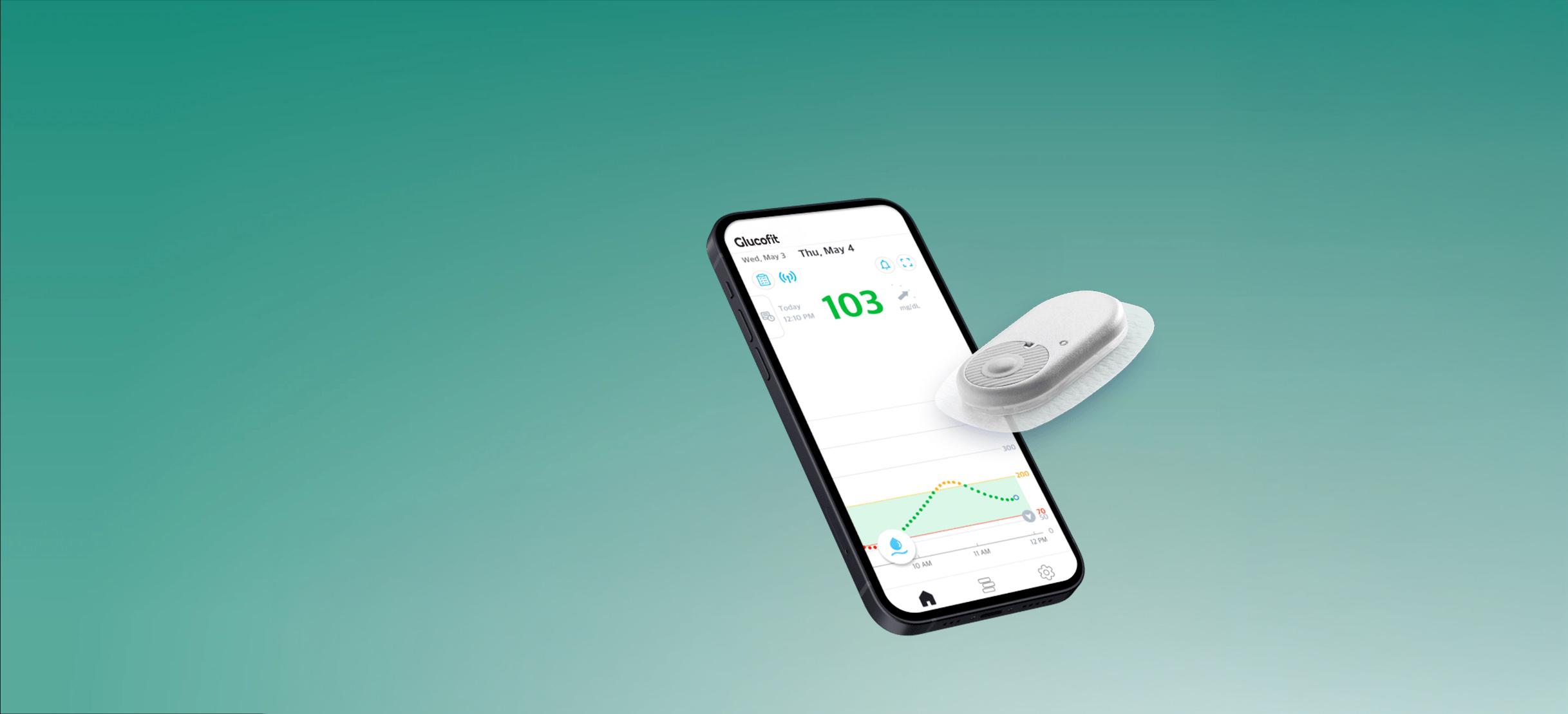
A connected glucose meter, such as Glucofit, syncs with your app to record blood sugar levels automatically. No more manual entries or lost data—your readings are securely stored and accessible whenever you need them.
2. Comprehensive Meal and Medication Tracking
Adding meal details and medication doses helps paint a complete picture of how different foods and treatments affect your glucose levels. Some apps allow you to:
- Enter carb counts and insulin dosages
- Upload meal photos for future reference
- Use pre-set tags for quick entry
3. Integrated Activity Monitoring
Exercise has a direct impact on blood sugar, and tracking it alongside your glucose levels can provide valuable insights. Many diabetes apps pull in activity data from fitness trackers, helping you see how workouts influence your numbers.
4. Location-Based Insights
Ever wondered how a particular restaurant meal affected your glucose levels? With location tracking, you can quickly retrieve past experiences and make adjustments accordingly.
5. Real-Time Decision Support
Instead of guessing how your body might react, you can rely on historical data and trends to make informed decisions. The app can highlight patterns, such as frequent nighttime lows or post-meal spikes, allowing for proactive adjustments.
The Power of Context in Diabetes Management
Every glucose reading tells a story, and understanding the context is key to managing diabetes effectively. Here’s how an app can help:
- Meal Photos: Visual records help identify meal components that may have affected glucose levels unexpectedly.
- Notes & Tags: Quick notes can explain unusual readings—whether due to stress, illness, or a change in routine.
- Doctor-Friendly Reports: Instead of scrambling to recall details during medical appointments, you can pull up comprehensive reports that explain your glucose trends.
Take Control with Smart Diabetes Management
The days of manually logging numbers and second-guessing decisions are over. With apps like Glucofit and connected devices, diabetes management becomes more intuitive, automated, and insightful.
By leveraging smart technology, you can shift your focus from constant monitoring to living your life with confidence. Take advantage of automation, trend analysis, and decision support to optimize your health while reducing stress.
Start using a diabetes management app today and experience the difference it can make!