table of contents

If you’ve been managing type 2 diabetes for a while, you already know the drill: carbs matter, protein is your friend, and fiber helps slow things down. But understanding what to eat is only half the battle. The real magic happens when you take that knowledge and turn it into a plan.
That’s where meal planning comes in.
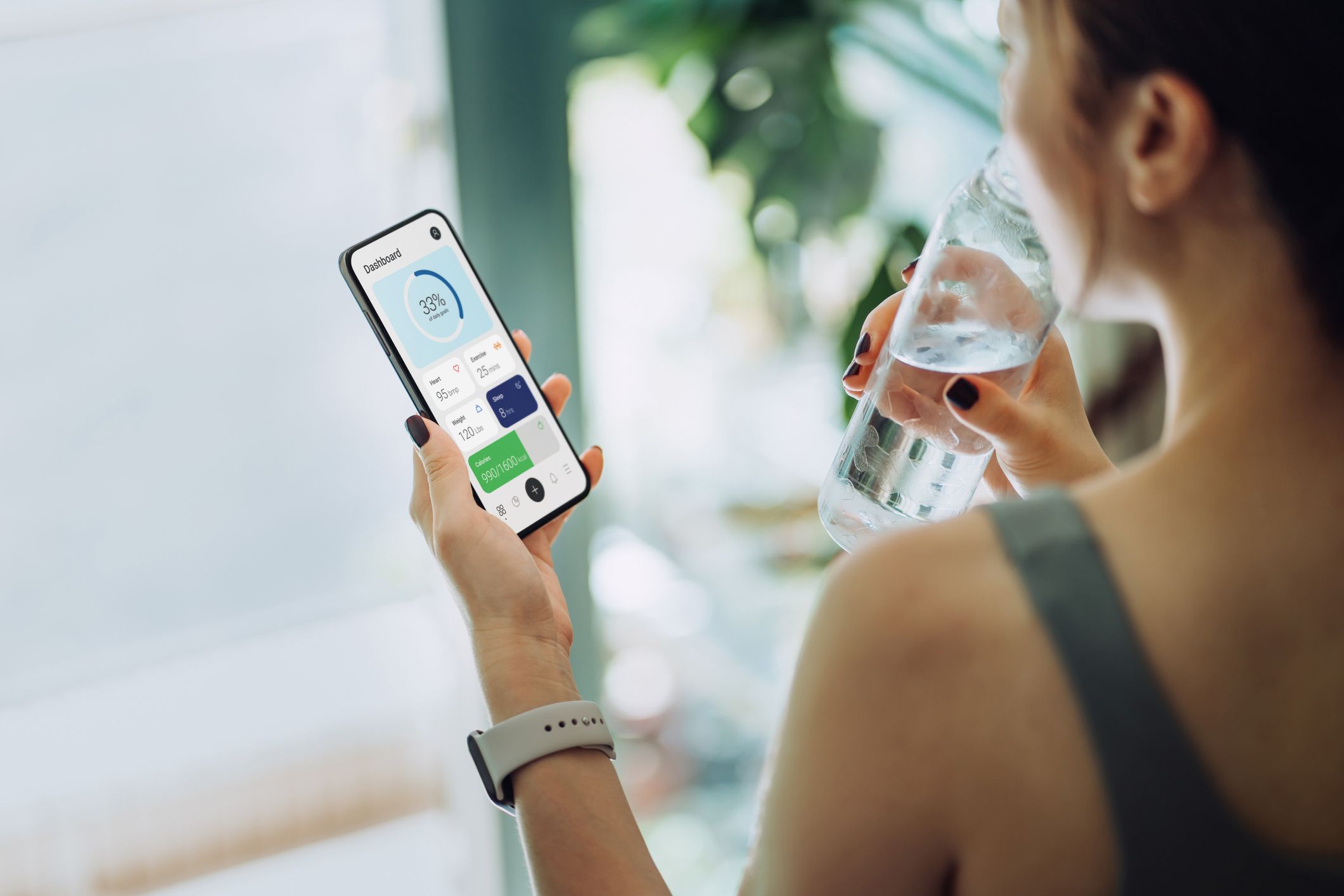
Meal planning gives you structure. It helps you stay one step ahead of blood sugar spikes, unhealthy cravings, and last-minute takeout decisions. When paired with Glucofit’s tracking and trend tools, it becomes a powerful way to keep your numbers in range and your routine stress-free.
Let’s walk through what meal planning is, how to get started, and how it can help you live (and eat) better with diabetes.
What Is Meal Planning?
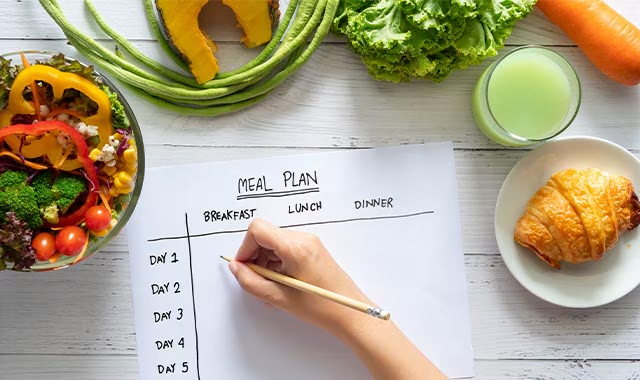
Meal planning is simply the practice of deciding what you’re going to eat—before you get hungry.
It’s a blueprint for your weekly meals and snacks. Instead of winging it at every mealtime, you’ll know exactly:
-
What to eat
-
When to eat it
-
How much to eat
This structure is especially helpful for people with diabetes because it keeps your blood glucose steady throughout the day, reducing highs, lows, and energy crashes. In fact, studies show that eating three scheduled meals and one to two snacks per day is ideal for blood sugar balance.¹
The 4 Types of Meal Prep
Meal prep and meal planning go hand in hand. Think of meal prep as your action plan—it’s how you’ll turn your menu into ready-to-eat meals that fit your schedule and lifestyle.
Here are four popular meal prep methods:
1. Make-Ahead Meals
Cook entire meals ahead of time and store them in the fridge for easy reheating. Great for busy weeknights or packed workdays.
2. Batch Cooking
Make a big pot of chili, soup, or stir-fry, then portion it into freezer-friendly containers. You’ll have healthy, balanced meals on hand for weeks.
3. Individually Portioned Meals
Cook several fresh meals at once, divide them into portions, and refrigerate. Think grain bowls, salads, or wraps—easy to grab and go.
4. Ready-to-Cook Ingredients
Pre-chop your veggies, marinate proteins, and portion out spices. You’ll spend less time cooking each night while keeping meals fresh.
💡 Glucofit Tip: Track your prepped meals and compare your blood glucose patterns for each style of prep. You may notice certain meals (like fiber-packed lunches or protein-rich breakfasts) work better for your numbers.
A Diabetes-Safe Plan: What Should You Eat?
Before building your plan, it’s a smart move to consult a dietitian or your diabetes care team. But as a general guide, aim for meals that are:
✅ Rich in protein: Chicken, eggs, tofu, turkey, fish, beans
✅ High in fiber: Whole grains, legumes, leafy greens, berries
✅ Balanced with healthy fats: Avocados, olive oil, nuts
✅ Low in added sugars and refined carbs
A balanced plate often looks like:
-
½ plate: Non-starchy vegetables (broccoli, spinach, zucchini)
-
¼ plate: Lean protein (grilled chicken, tofu, salmon)
-
¼ plate: Whole grain or starchy vegetable (quinoa, sweet potato)
-
+ a side: Healthy fat (olive oil drizzle, a few nuts, or sliced avocado)
Try to eat at roughly the same times each day and build in 1–2 healthy snacks like almonds or Greek yogurt if needed.
How To Plan Meals: Step-by-Step
Once you’ve chosen your meal prep method and diabetes-safe foods, it’s time to make a plan.
📝 Step 1: Choose Your Meals
Think about what meals you need to plan for—breakfast, lunch, dinner, snacks. Choose 1–2 recipes per mealtime that you can rotate through the week.
🛒 Step 2: Make a Grocery List
Write down all the ingredients you’ll need, sorted by food category (produce, dairy, protein, grains, etc.). This keeps shopping fast, focused, and budget-friendly.
🍽️ Step 3: Prep and Portion
Set aside a block of time—maybe Sunday afternoon or Monday evening—to prep meals or ingredients for the week ahead.
📅 Step 4: Stick to the Plan
Use Glucofit to log meals and track your blood sugar before and after. You’ll start to see which meals support stable glucose and which ones may need tweaking.
Benefits of Meal Planning for Diabetes
Meal planning isn’t just about saving time (although it does that, too). It’s a smart strategy with real health benefits:
-
Better Blood Sugar Control: Avoid spikes and crashes by staying consistent with carb intake and mealtimes
-
Less Stress: No more last-minute “what’s for dinner?” panic
-
Weight Management: Healthier meals and portion control make it easier to maintain or lose weight
-
Fewer Impulsive Choices: With meals ready to go, you’re less likely to grab fast food or sugary snacks
-
Cost Savings: Fewer impulse buys and less food waste mean more money in your pocket
-
More Energy: Balanced meals = stable energy levels and better focus throughout the day
Final Thought
Meal planning isn’t about restriction—it’s about empowerment. With the right system and a little prep, you’ll make smarter decisions that support your health goals and simplify your daily routine.
When paired with Glucofit, you get a clear picture of how your meals impact your blood sugar—so you can adjust, improve, and feel your best every day.
Sources: