
table of contents
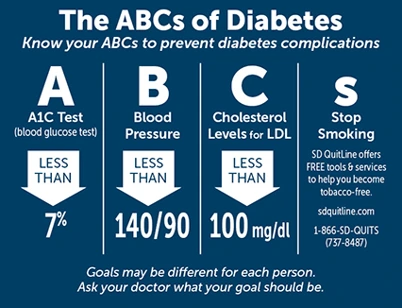
Living with diabetes means juggling multiple aspects of your health—monitoring blood sugar, staying active, managing medications, and keeping up with doctor visits. It can feel overwhelming, but focusing on three key health indicators—A1c, Blood Pressure, and Cholesterol—can simplify diabetes management and help you stay on track.
Understanding your Diabetes ABCs is a crucial step toward maintaining overall health, reducing the risk of complications, and improving your quality of life.
A is for A1c: Your Long-Term Blood Sugar Control
What is A1c?
A1c is a blood test that measures your average blood sugar level over the past two to three months. Unlike daily blood sugar readings, which fluctuate throughout the day, A1c provides a long-term picture of how well your diabetes is managed.
Doctors may refer to this test by different names, including:
- Glycated hemoglobin test
- Glycosylated hemoglobin test
- Hemoglobin A1c test (HbA1c)
Why is A1c Important?
The higher your A1c level, the greater the risk of diabetes-related complications, including:
✔ Heart disease
✔ Kidney disease
✔ Nerve damage
✔ Vision problems
What is a Healthy A1c Level?
Most adults with diabetes should aim for an A1c below 7%. However, your target level may vary based on age, health conditions, and your doctor’s recommendations.
How Often Should You Check A1c?
- At least twice a year if your diabetes is well-managed
- Every three months if your treatment plan has changed or your blood sugar levels are not stable
💡 Tip: If your A1c is consistently high, work with your healthcare provider to adjust your medications, diet, and exercise routine to bring your blood sugar under better control.
B is for Blood Pressure: Protecting Your Heart and Kidneys
What is Blood Pressure?
Blood pressure measures how hard your heart works to pump blood throughout your body. It is recorded using two numbers:
🔹 Systolic pressure (top number) – The pressure in your arteries when the heart beats
🔹 Diastolic pressure (bottom number) – The pressure in your arteries when the heart rests between beats
Why is Blood Pressure Important?
High blood pressure (hypertension) is often called the “silent killer” because it may not cause symptoms but can significantly increase your risk of:
✔ Heart attack
✔ Stroke
✔ Kidney disease
✔ Vision problems
What is a Healthy Blood Pressure Level?
A good target for most adults with diabetes is 120/80 mmHg or lower. However, some people with diabetes may have different blood pressure goals based on their individual health conditions.
How Often Should You Check Blood Pressure?
- At every doctor’s visit
- Regularly at home if you have a history of high blood pressure
💡 Tip: If your blood pressure is consistently high, lifestyle changes such as reducing sodium intake, exercising regularly, and managing stress can help. Your doctor may also prescribe medication if needed.
C is for Cholesterol: Keeping Your Arteries Clear
What is Cholesterol?
Cholesterol is a type of fat found in your blood. While your body needs some cholesterol to function properly, too much “bad” cholesterol can clog arteries, increasing the risk of heart disease and stroke.
Types of Cholesterol Measured in a Lipid Panel
1️⃣ Total cholesterol – The total amount of cholesterol in your blood
2️⃣ LDL (“bad”) cholesterol – Can build up in arteries, reducing blood flow
3️⃣ HDL (“good”) cholesterol – Helps remove LDL cholesterol and keeps arteries clear
4️⃣ Triglycerides – A type of fat linked to heart disease
What are Healthy Cholesterol Levels?
| Cholesterol Type | Recommended Level |
|---|---|
| Total Cholesterol | < 200 mg/dL |
| LDL (“Bad”) Cholesterol | < 100 mg/dL |
| HDL (“Good”) Cholesterol | > 60 mg/dL |
| Triglycerides | < 150 mg/dL |
Why is Cholesterol Important for People with Diabetes?
Diabetes increases the risk of heart disease. Keeping cholesterol at healthy levels reduces the risk of:
✔ Heart attack
✔ Stroke
✔ Peripheral artery disease (PAD)
How Often Should You Check Cholesterol?
- At least once a year
- More frequently if you have high cholesterol or a history of heart disease
💡 Tip: To improve cholesterol levels, focus on eating heart-healthy foods (like fish, nuts, and whole grains), exercising regularly, and avoiding trans fats. Your doctor may also prescribe statins or other cholesterol-lowering medications if necessary.
Why Your Diabetes ABCs Matter
Keeping your A1c, Blood Pressure, and Cholesterol in check is essential for preventing complications and maintaining a healthy life with diabetes.
Simple Steps to Take Control of Your Diabetes ABCs
✅ Monitor your numbers – Keep track of your A1c, blood pressure, and cholesterol regularly.
✅ Eat a balanced diet – Focus on fiber-rich foods, lean proteins, and healthy fats.
✅ Stay active – Aim for at least 150 minutes of moderate exercise per week.
✅ Take medications as prescribed – Follow your doctor’s guidance on diabetes, blood pressure, and cholesterol medications.
✅ Stay informed – Regularly check in with your healthcare provider to assess your progress.
Knowledge is power! The more you understand about your diabetes ABCs, the better equipped you’ll be to make informed decisions and live a healthier life.
If you have any questions, talk to your doctor about how to improve your numbers and create a personalized plan for managing diabetes effectively.