
table of contents
“Let food be thy medicine and medicine be thy food.” – Hippocrates
In modern medicine, diet is increasingly recognized as a key factor in managing metabolic disorders, particularly insulin resistance. Insulin resistance is a condition in which cells fail to respond to insulin properly, leading to elevated blood sugar levels and increased risks of type 2 diabetes, obesity, and cardiovascular disease.
According to Dr. Robert Lustig, a leading endocrinologist and metabolic health expert:
“Insulin resistance is the foundation of most chronic diseases we face today, from obesity to type 2 diabetes, heart disease, and even Alzheimer’s. But the good news is, it’s reversible with lifestyle changes, especially diet.”
This article explores how dietary modifications can improve insulin sensitivity and restore metabolic balance.
Understanding Insulin Resistance
Insulin is a hormone produced by the pancreas that helps regulate blood sugar levels. When you eat carbohydrates, your body breaks them down into glucose, which enters the bloodstream. Insulin allows cells to absorb glucose for energy.
However, with insulin resistance:
✅ Cells do not respond efficiently to insulin.
✅ The pancreas produces more insulin to compensate.
✅ Excess insulin leads to fat storage, inflammation, and metabolic dysfunction.
Dr. Jason Fung, a nephrologist and fasting expert, explains:
“Insulin resistance is largely a dietary disease, and it requires a dietary solution. You cannot simply medicate your way out of it—you must change what you eat.”
Best Dietary Strategies for Insulin Resistance
- Prioritize Whole, Low-Glycemic Foods
The glycemic index (GI) measures how quickly foods raise blood sugar. Low-GI foods prevent blood sugar spikes and reduce insulin demand.
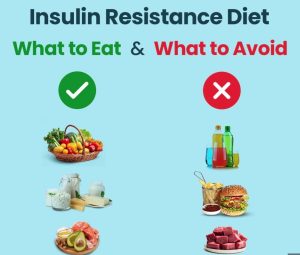
Best Choices:
- Leafy greens (spinach, kale, arugula)
- Cruciferous vegetables (broccoli, Brussels sprouts, cauliflower)
- Healthy fats (olive oil, nuts, avocado)
- Lean proteins (wild-caught fish, organic poultry, tofu)
- Whole grains (quinoa, barley, brown rice)
🚫 Foods to Avoid:
- Refined carbs (white bread, sugary cereals)
- Processed snacks (chips, crackers)
- Sugary beverages (soda, fruit juice)
🔹 Supporting Research:
A 2021 study published in the Journal of Clinical Endocrinology & Metabolism found that a Mediterranean diet rich in whole foods improves insulin sensitivity by 25% in as little as 12 weeks.
- Cut Back on Sugar and Processed Carbohydrates
Excess sugar is a leading cause of insulin resistance. High sugar intake leads to constant insulin spikes, forcing the pancreas to overproduce insulin, which worsens metabolic function.
Dr. David Ludwig, a Harvard endocrinologist, states:
“Refined carbohydrates act like metabolic poison. They flood your bloodstream with glucose, triggering a surge in insulin, which then promotes fat storage and inflammation.”
🔹 Simple Swaps to Reduce Sugar:
❌ Skip sugary sodas → ✅ Drink sparkling water with lemon
❌ Avoid processed snacks → ✅ Eat nuts or Greek yogurt
❌ Limit white bread → ✅ Choose whole-grain alternatives
- Increase Protein and Healthy Fats
Protein and healthy fats slow digestion and stabilize blood sugar levels, preventing insulin spikes.
✅ Good Protein Sources:
- Pasture-raised eggs
- Fatty fish (salmon, sardines)
- Plant-based proteins (lentils, tempeh, chickpeas)
✅ Healthy Fat Sources:
- Extra virgin olive oil
- Nuts and seeds (walnuts, almonds, chia seeds)
- Avocados
🔹 Key Study:
A 2019 meta-analysis in The American Journal of Clinical Nutrition confirmed that a high-protein, high-healthy-fat diet significantly lowers insulin resistance compared to a high-carb diet.
- Try Intermittent Fasting (IF)
Intermittent fasting (IF) has proven benefits for insulin sensitivity. When you fast, insulin levels drop, allowing cells to reset and become more responsive to insulin.
Dr. Mark Mattson, a neuroscientist at Johns Hopkins, states:
“Fasting triggers metabolic switching, reducing insulin resistance and inflammation while enhancing fat-burning.”
🔹 Common IF Methods:
- 16:8 Method: Fast for 16 hours, eat within an 8-hour window
- 5:2 Diet: Eat normally for 5 days, restrict calories for 2 days
Research Insight:
A 2020 study in Cell Metabolism found that intermittent fasting improves insulin sensitivity by 30% in prediabetic individuals.
- Manage Stress and Prioritize Sleep
Chronic stress and poor sleep increase cortisol levels, which directly worsens insulin resistance.
✅ Stress Management Tips:
- Practice deep breathing or meditation
- Engage in regular physical activity
- Maintain a consistent sleep schedule
Dr. Matthew Walker, a sleep scientist, explains:
“Even a few nights of sleep deprivation can make a healthy person temporarily insulin resistant. Prioritizing sleep is critical for metabolic health.”
✅ Insulin Resistance Reversal Checklist
✔ Eat whole, unprocessed foods
✔ Reduce sugar and refined carbohydrates
✔ Prioritize protein and healthy fats
✔ Incorporate intermittent fasting
✔ Exercise regularly (both strength training and cardio)
✔ Manage stress through mindfulness or relaxation techniques
✔ Get at least 7–9 hours of quality sleep per night
✔ Monitor your blood sugar levels with a tool like Glucofit
Final Thoughts
Reversing insulin resistance is possible with the right dietary and lifestyle changes. Research consistently supports a whole-food, nutrient-dense approach to improving insulin sensitivity.
If you’re looking for a way to monitor your progress, Glucofit can provide real-time glucose insights, helping you make data-driven dietary choices.
Which of these strategies have you tried? Share your thoughts in the comments!