
table of contents
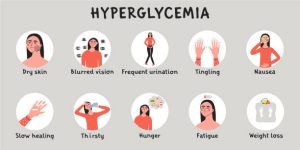
Hyperglycemia, high sugar glucose level in blood symptoms. Infografic with woman character. Flat vector medical illustration.
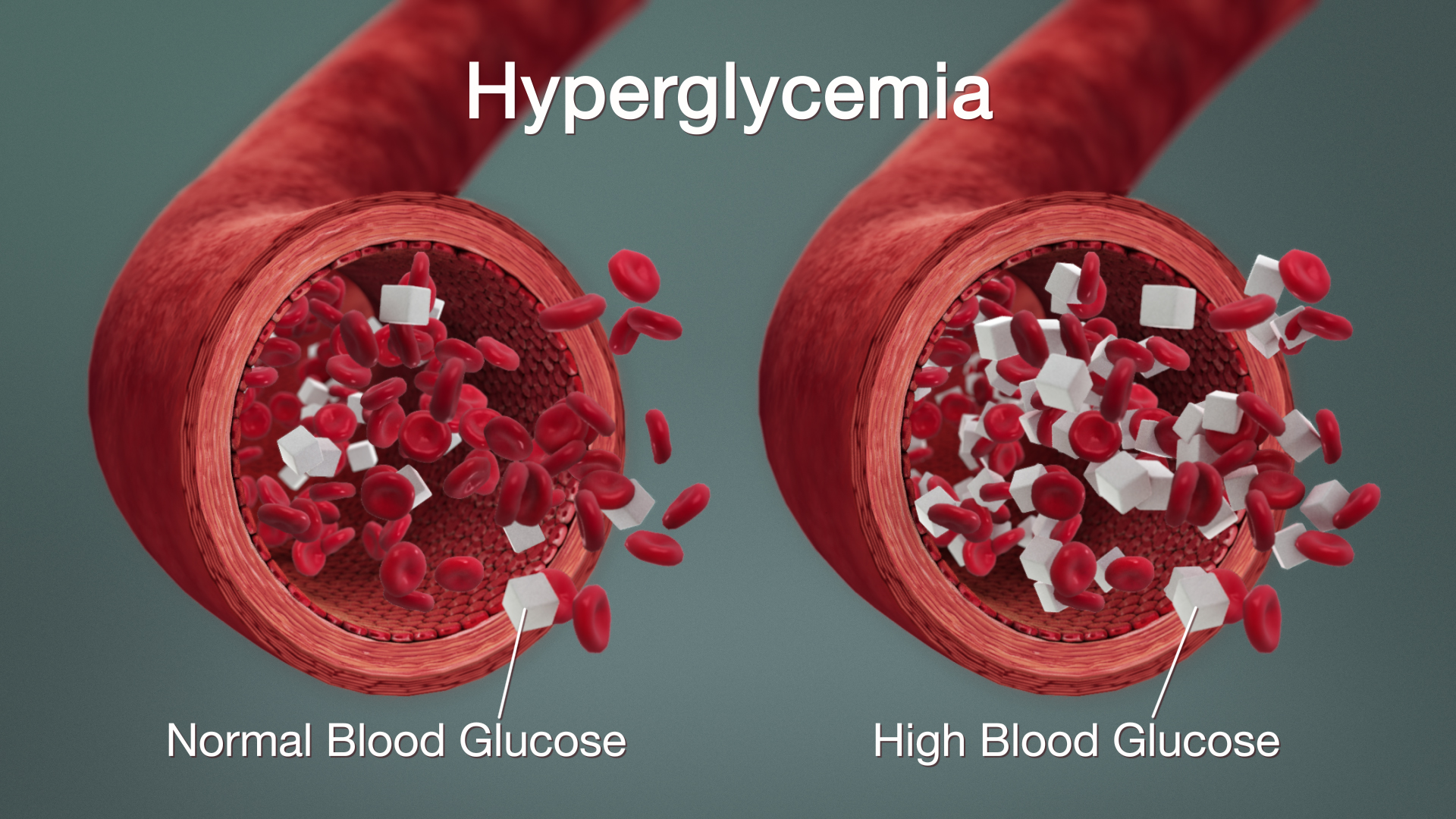
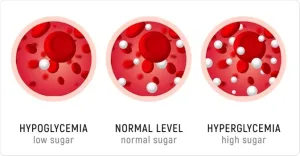
Hyperglycemia, or high blood sugar, occurs when glucose levels in the blood rise beyond the normal range and cannot be naturally regulated by the body. But what causes these spikes, and what can you do to manage them? Here’s everything you need to know.
Why Do Blood Sugar Levels Rise?
The hormone insulin plays a crucial role in keeping blood sugar levels in check. In people with diabetes, blood sugar rises because:
✅ The body produces little or no insulin
✅ The body’s cells become resistant to insulin
Normally, insulin helps move glucose from the bloodstream into cells, providing them with energy. When insulin is missing or ineffective, blood sugar remains high, leading to hyperglycemia.
Type 1 vs. Type 2 Diabetes and Hyperglycemia
- Type 1 Diabetes: The immune system mistakenly destroys insulin-producing cells in the pancreas, leading to absolute insulin deficiency. Without insulin, blood sugar levels remain chronically high.
- Type 2 Diabetes: The body initially produces insulin, but the cells become resistant to its effects. Over time, the pancreas may become exhausted and stop producing enough insulin, leading to relative insulin deficiency.
The good news? Healthy eating and regular physical activity can help improve insulin sensitivity in many cases, especially in early-stage type 2 diabetes.
What Happens During Hyperglycemia?
When blood sugar levels exceed 180 mg/dL (10 mmol/L), the body tries to remove excess glucose by excreting it through the kidneys and urine. This leads to:
- Frequent urination (as the body flushes out glucose)
- Extreme thirst (due to dehydration)
- Risk of electrolyte imbalance (loss of potassium and magnesium)
If left unchecked, severe hyperglycemia can lead to dehydration and even diabetic coma (hyperosmolar coma).
Older Adults and Undetected Hyperglycemia
Elderly individuals with type 2 diabetes may not recognize these symptoms, making hyperglycemia more dangerous. The loss of fluids and electrolytes can cause muscle cramps, fatigue, and confusion, which may progress into severe dehydration and unconsciousness.
Diabetic Ketoacidosis (DKA) – A Life-Threatening Condition
Hyperglycemia is particularly dangerous in type 1 diabetes, where insulin is completely absent. Without insulin, the body cannot use glucose for energy, so it starts breaking down fat for fuel. This process produces ketones, which can lead to diabetic ketoacidosis (DKA)—a life-threatening emergency.
Signs of Diabetic Ketoacidosis:
⚠ Severe stomach pain
⚠ Nausea and vomiting
⚠ Deep, labored breathing
⚠ Fruity-smelling breath (like rotten apples or nail polish remover)
⚠ Extreme fatigue and confusion
DKA requires immediate medical attention, as it can lead to coma or death if untreated.
Note: People with type 2 diabetes usually produce some insulin, which helps prevent ketoacidosis. However, they can still develop severe hyperglycemia, leading to hyperosmolar hyperglycemic state (HHS)—another serious complication.
Warning Signs of High Blood Sugar
Hyperglycemia symptoms often develop gradually, making them easy to miss—especially for people with type 2 diabetes. Regular blood sugar monitoring is the best way to detect high levels early.
Common Signs of Hyperglycemia:
✅ Frequent urination
✅ Excessive thirst
✅ Dry, itchy skin
✅ Fatigue and weakness
✅ Blurred vision
✅ Increased infections
✅ Slow wound healing
✅ Nausea and stomach pain
✅ Loss of appetite
✅ Unexplained weight loss
✅ Fruity-smelling breath (a sign of DKA)
✅ Ketones in urine (can be tested with strips from the pharmacy)
If you notice these symptoms, check your blood sugar levels and take action immediately to prevent complications.
What to Do if Your Blood Sugar Is Too High?
If your blood sugar rises too high, taking early action can help prevent dangerous complications.
Steps to Manage Hyperglycemia:
✔ Drink plenty of water to stay hydrated—even if you feel nauseous. Take small sips if needed.
✔ Check your blood sugar regularly to monitor changes.
✔ Test for ketones in your urine if blood sugar is over 250 mg/dL (13.9 mmol/L).
✔ Take insulin as instructed by your doctor.
✔ Seek medical attention immediately if ketones are present or if symptoms worsen.
In type 1 diabetes, DKA can develop quickly, especially if insulin is missed or taken in too low a dose. Infections, fever, or illness can also raise blood sugar levels, as stress hormones (adrenaline, cortisol) make insulin less effective.
How to Prevent High Blood Sugar
Hyperglycemia can often be prevented with a few simple steps:
✔ Take your diabetes medication as prescribed.
✔ Follow a healthy diet with balanced meals.
✔ Stay physically active to improve insulin sensitivity.
✔ Manage stress through relaxation techniques.
✔ Monitor blood sugar frequently—especially during illness or travel.
✔ Act quickly at the first signs of high blood sugar.
When to Seek Emergency Help
🚨 Call your doctor or go to the hospital if:
❌ Blood sugar is over 300 mg/dL and not coming down.
❌ You have nausea, vomiting, or severe dehydration.
❌ You test positive for ketones in your urine.
❌ You experience confusion, extreme weakness, or difficulty breathing.
Stay in Control with Glucofit News!
Want expert advice on diabetes management, lifestyle tips, and new research?
📩 Sign up for Glucofit News—Stay informed, stay healthy!
Final Thoughts
Hyperglycemia can be dangerous, but early detection and prompt action can prevent serious complications. By monitoring blood sugar regularly, staying hydrated, and adjusting insulin or medication as needed, you can keep blood sugar levels stable and protect your health.
If you experience frequent high blood sugar, work with your doctor to adjust your treatment plan and identify triggers. Small changes can make a big difference in diabetes management! 💙