table of contents

Managing blood sugar isn’t just about numbers—it’s about understanding what those numbers mean and knowing how to respond when they’re out of range. Two terms you’ll hear often when living with diabetes are hyperglycemia and hypoglycemia. They’re on opposite ends of the blood sugar spectrum, but both can have serious consequences if left unchecked.
By learning to recognize the signs and understanding what to do in each situation, you can stay in control. And with tools like Glucofit helping you track your blood glucose in real-time, you’re not just guessing—you’re prepared.
Hyperglycemia
What is hyperglycemia?
Hyperglycemia means high blood sugar. It typically refers to glucose levels that rise above 130 mg/dL when fasting (no food for 8 hours or more) or above 180 mg/dL two hours after eating. It can happen when there’s not enough insulin in your body or when your cells don’t respond to insulin the way they should.
What are the signs of hyperglycemia?
The most reliable way to detect hyperglycemia is by checking your blood sugar regularly with a CGM like Glucofit. But you might also notice symptoms in your body even before the numbers show it.
Frequent urination is a common early sign. That’s your kidneys trying to flush out the excess sugar in your blood. This can lead to increased thirst, as your body attempts to replace lost fluids. You might also experience fatigue, blurred vision, or headaches.
If your glucose levels stay high over time, you may develop complications like nerve damage, eye problems, or increased risk for cardiovascular issues.
What can you do about it?
If you live with type 1 diabetes, the first line of defense is usually a correction dose of insulin. But for people with type 2 diabetes—or anyone experiencing regular high blood sugars—lifestyle changes are key.
Start by reviewing your diet. Excess carbs, especially from refined sources, can quickly raise glucose levels. But don’t forget about fatty meals, which can cause delayed blood sugar spikes. Logging your meals in Glucofit can help you identify these patterns and respond accordingly.
Exercise is another powerful tool. Regular physical activity improves insulin sensitivity and helps glucose enter your cells more efficiently. Even a short walk after meals can make a big difference.
If high blood sugar becomes a regular problem, talk to your doctor or diabetes educator. Medication adjustments or meal timing strategies may be needed.
Hypoglycemia
What is hypoglycemia?
Hypoglycemia refers to low blood sugar, usually below 70 mg/dL. This can happen if you skip meals, take too much insulin or diabetes medication, or over-exercise without enough fuel.
Very low blood sugar is a medical emergency. In extreme cases, it can lead to seizures, unconsciousness, or even death. That’s why it’s so important to recognize the symptoms and act quickly.
What are the signs of hypoglycemia?
Low blood sugar can feel different for everyone, but common symptoms include:
-
Fatigue or drowsiness
-
Shakiness, sweating, or chills
-
Irritability or anxiety
-
Rapid heartbeat
-
Tingling in the lips, cheeks, or tongue
-
Headaches or blurred vision
-
Confusion, clumsiness, or trouble concentrating
In severe cases, the brain is starved of glucose, and the body begins to shut down. If symptoms become intense or if someone loses consciousness, seek emergency medical help immediately.
What can you do about it?
When you catch low blood sugar early, you can usually correct it with the 15-15 rule: eat 15 grams of fast-acting carbohydrates, wait 15 minutes, and recheck your glucose. Repeat if your sugar hasn’t risen to a safe level.
Fast-acting carb options include:
-
½ cup of fruit juice
-
½ cup of regular (non-diet) soda
-
1 tablespoon of honey or sugar
-
3 to 4 glucose tablets
-
A handful of hard candies
Once you’re back in range, have a small snack containing both carbohydrates and protein if your next meal is still an hour or more away. Good options include a slice of whole-grain bread with peanut butter or a few crackers with cheese.
To avoid lows, try to:
-
Eat meals at regular intervals
-
Carry glucose tablets or snacks at all times
-
Use Glucofit to monitor trends and get alerts before you drop too low
-
Adjust insulin doses as needed, especially around physical activity
The Power of Knowing Your Numbers
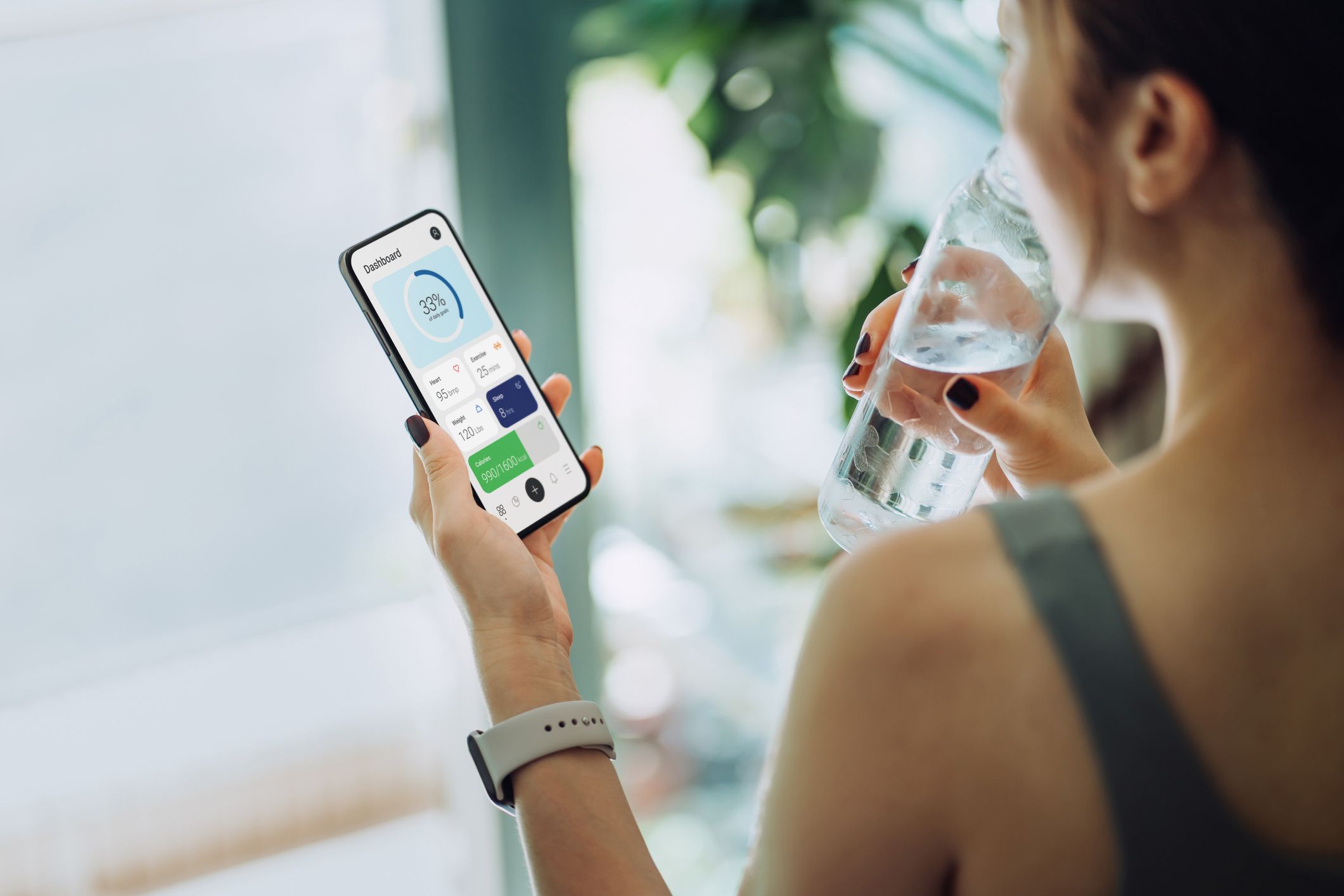
Whether your blood sugar is too high or too low, awareness is your first defense. With a CGM like Glucofit, you can see the full picture—not just a single reading, but trends over time that help you understand what your body is doing.
Glucofit helps you log meals, exercise, and insulin doses, giving you a real-time map of what’s working and what’s not. That means more informed choices, fewer surprises, and more confidence in your diabetes management.
Hyperglycemia and hypoglycemia might seem like opposites, but they both demand attention. The good news is, you’re not powerless. With the right tools, habits, and mindset, you can stay in range, feel better day to day, and prevent complications in the long run.