table of contents

Food is more than just nourishment—it’s tradition, culture, comfort, and connection. For families, meals are often a time to gather, celebrate, and share love. But for someone newly diagnosed with diabetes, that comforting routine can suddenly feel complicated. The good news is, managing diabetes doesn’t mean giving up the foods you love. With a little knowledge and a few smart choices, you can enjoy flavorful meals while keeping your blood sugar under control.
Let’s start with the basics: what foods are actually good for someone with diabetes? Generally, the best foods are low in net carbs and high in fiber, nutrients, and healthy fats. Beans are rich in fiber, magnesium, and potassium—nutrients that help manage blood pressure and blood sugar. Tomatoes, though often mistaken for a starchy food, are low in carbs and high in vitamins C and E. Dark green vegetables like spinach and kale are loaded with fiber and minerals. Fatty fish like salmon helps reduce inflammation and improves heart health—important for people at higher risk of cardiovascular issues. Whole grains, sweet potatoes, raw nuts, citrus fruits, and low-fat dairy products also round out a strong list of diabetes-friendly options.
Carbohydrates often get a bad rap, and for good reason—they’re the primary macronutrient that affects blood glucose levels. But not all carbs are created equal. Highly processed foods like white bread, pasta, and pizza can spike blood sugar quickly. Family favorites like dumplings or pierogis may feel nostalgic but tend to be high in simple carbs and starches. Instead, try some smart swaps: spiralized zucchini instead of pasta, cabbage wraps instead of dumplings, or cauliflower as a substitute for potatoes and even pizza crust. These changes can make a big difference without compromising the essence of the meal.
Fat is another part of the diet that deserves close attention. It’s not about cutting all fat, but choosing the right types. Saturated and trans fats can raise LDL (bad) cholesterol, increasing your risk of heart disease. These fats lurk in salad dressings, fast food, and processed baked goods. Instead, reach for healthier fats like olive oil, avocado oil, and sunflower oil. Even peanut butter can be a smart option—just make sure it’s the natural kind without added sugars or hydrogenated oils.
Fiber plays a key role in managing hunger and stabilizing blood sugar. It’s a form of carbohydrate that your body doesn’t digest, so it doesn’t raise blood sugar levels. Instead, it slows digestion and helps you feel full longer. Aim for a variety of fruits, vegetables, whole grains, legumes, and nuts to keep your meals satisfying and balanced.
For people with both diabetes and gluten sensitivity or celiac disease, managing your diet can be extra challenging. Gluten-free doesn’t always mean healthy or low-carb—many packaged gluten-free foods are full of sugar or refined starches. The safest approach is to focus on naturally gluten-free foods like fruits, vegetables, quinoa, brown rice, and legumes.
Speaking of plant-based foods, vegetarian diets and “Meatless Mondays” are gaining popularity—not only for health but also for environmental reasons. Producing meat consumes massive amounts of water and feed, and contributes to greenhouse gas emissions. Reducing meat intake even one day a week can improve your carbon footprint and your health. When cutting back on animal protein, opt for lentils, beans, tofu, and whole grains. These plant-based options are filling and have a gentler effect on blood sugar.
Alcohol is another topic that requires caution. While an occasional glass of wine or beer may be fine, alcohol interferes with liver function and can lower blood sugar—sometimes dangerously so. Never drink on an empty stomach, avoid sugary mixers, and limit high-carb drinks like craft beers. Wearing a medical ID bracelet can also help in case of emergencies, as symptoms of hypoglycemia may mimic intoxication.
Let’s talk practical tips. Start with the size of your plate. Using a smaller plate helps control portions visually—large plates make small portions look inadequate, leading to overeating. Flip your meal schedule if you can: having your largest meal at lunch instead of dinner may improve metabolism and support weight loss. Always aim to include protein in every meal and snack—this helps curb hunger and reduce sugar cravings. Track what you eat with a journal or app; awareness is the first step to improvement. And of course, drink plenty of water—hydration can help you feel full and even aid in weight loss.
Portion control is fundamental to managing blood sugar, especially when counting carbs. A food scale and measuring cups are invaluable tools, but if you’re on the go, use visual cues: a palm-sized piece of meat is about 3 ounces, a tennis ball equals half a cup, and the tip of your thumb is around a teaspoon. Check food labels carefully—not just for calories and carbs, but for serving sizes, sodium, added sugars, and fiber content.
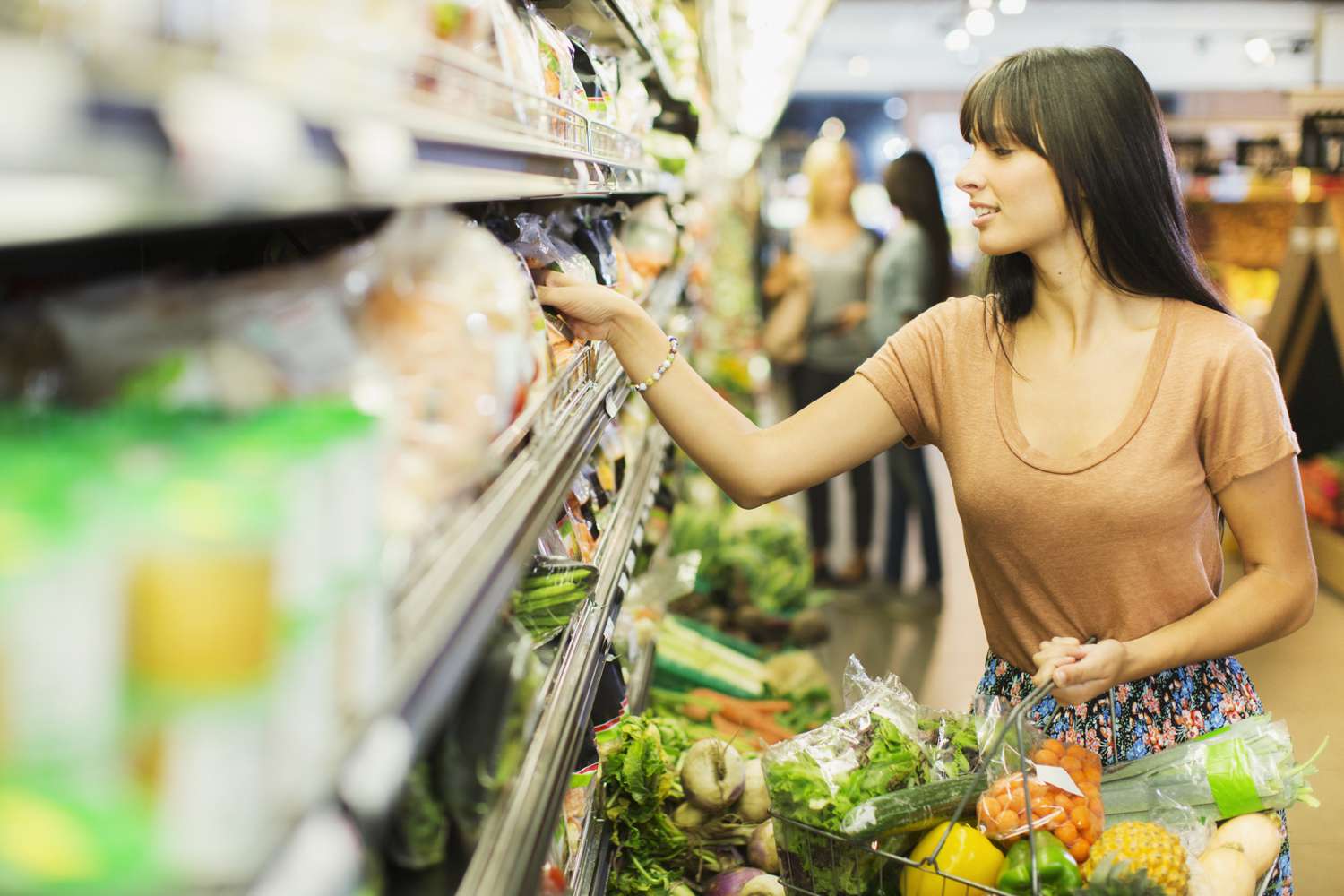
Understanding nutrition labels helps you make better choices at the grocery store. Most labels are based on a 2,000-calorie daily intake, but your needs may differ. Pay close attention to total carbs, added sugars, and fiber. Look for foods high in essential vitamins and minerals and low in sodium and saturated fats.
Finally, avoid falling into the trap of fad diets. Skipping meals or cutting out entire food groups can do more harm than good. Not eating enough slows your metabolism and can lead to cravings and binge eating. Going fat-free may backfire, as healthy fats are necessary for feeling full and absorbing nutrients. And some people with type 1 diabetes may be tempted to skip insulin to lose weight—this is dangerous and can lead to life-threatening complications like ketoacidosis.
The best diabetic diet is one that’s sustainable, balanced, and enjoyable. It should include a variety of colorful, whole foods that nourish your body without spiking your blood sugar. And don’t think that eating out is off the table—many restaurants offer healthy options, and you can plan ahead by checking menus online, asking for substitutions, and watching your portions. Share a dish, take half home, drink water throughout the meal, and stick to your usual eating schedule as much as possible.
Managing diabetes through diet doesn’t have to be overwhelming. With a little planning, some smart substitutions, and a focus on whole foods, you can continue enjoying mealtime with your loved ones—just with better balance. Your health is worth it, and the rewards go far beyond your blood sugar numbers.
Smart Eating with Diabetes: Simple Nutrition Tips That Work
Managing diabetes doesn’t mean giving up the foods you love—it means making smarter choices. A few adjustments to your daily diet can go a long way in supporting stable blood sugar levels while keeping meals enjoyable and satisfying.
1. Best Foods for Blood Sugar Control
Some foods naturally support better glucose management. Add these to your grocery list:
-
Beans: Rich in fiber and protein
-
Tomatoes: Low-carb and full of antioxidants
-
Leafy greens: High in fiber and essential nutrients
-
Salmon: Packed with omega-3s
-
Berries: Naturally sweet with vitamins and fiber
-
Whole grains: Steadier energy than white carbs
-
Sweet potatoes: More nutrients than white potatoes
-
Fat-free dairy and yogurt: Great for gut and bone health
2. Carbs Count—But Not All Are Equal
Carbs impact blood sugar more than any other nutrient. But it’s not just sugar you need to watch—starches like pasta, bread, and potatoes can cause spikes, too. Try swaps like:
-
Zucchini noodles instead of pasta
-
Cauliflower mash instead of potatoes
-
Cabbage wraps instead of dumplings
-
Veggie-based crusts for pizza
3. Healthy Fats, Not Hidden Ones
Not all fats are bad, but trans fats and excessive saturated fat can increase heart risk.
Choose:
-
Olive, avocado, or canola oil
-
Natural peanut butter
-
Homemade dressings or those made with healthy oils
Avoid: -
Store-bought baked goods
-
Heavy salad dressings
-
Deli meats packed with fat
4. Fiber Is Your Friend
Fiber slows digestion and keeps blood sugar stable. Load up on:
-
Fruits (with skin on)
-
Vegetables
-
Legumes
-
Whole grains
It also keeps you full longer and supports gut health.
5. Eating Gluten-Free? Be Smart
Gluten-free doesn’t mean carb-free. If you have celiac disease or gluten sensitivity, opt for:
-
Quinoa
-
Brown rice
-
Sweet potatoes
-
Beans and lentils
Avoid processed gluten-free snacks that can be high in sugar and starch.
6. Try a Meatless Monday
Going plant-based even one day a week helps reduce fat intake and support heart health.
Try:
-
Lentil soups
-
Tofu stir-fry
-
Quinoa and black bean bowls
Include healthy fats like nuts and olive oil to stay full.
7. Drinking with Diabetes
Alcohol can interfere with blood sugar levels.
Tips:
-
Don’t drink on an empty stomach
-
Avoid sugary mixers
-
Choose light beer or dry wine
-
Wear a medical ID
-
Watch for low blood sugar, especially at night
8. Everyday Eating Tips
-
Use smaller plates to avoid overeating
-
Eat your biggest meal at lunch
-
Add protein to every meal and snack
-
Track what you eat
-
Drink water before meals to help prevent cravings
9. Portion Control Basics
-
Use measuring cups or food scales at home
-
Visual cues help:
-
Palm = 3 oz meat
-
Fist = 1 cup
-
Thumb = 1 tsp
-
10. Reading Nutrition Labels
Focus on:
-
Serving size
-
Total carbohydrates (including fiber and sugars)
-
Saturated fat and sodium
-
% Daily Value—aim low for fat and sodium, high for fiber
11. Skip the Fads
Extreme diets may give quick results, but they’re rarely sustainable. Avoid:
-
Skipping meals
-
All-carb or all-fat diets
-
Liquid-only cleanses
-
Cutting insulin to lose weight
12. Eating Out with Confidence
-
Check the menu online beforehand
-
Ask for dressing or sauces on the side
-
Replace fries with veggies
-
Box up half your meal before you start
-
Drink water instead of soda