
table of contents
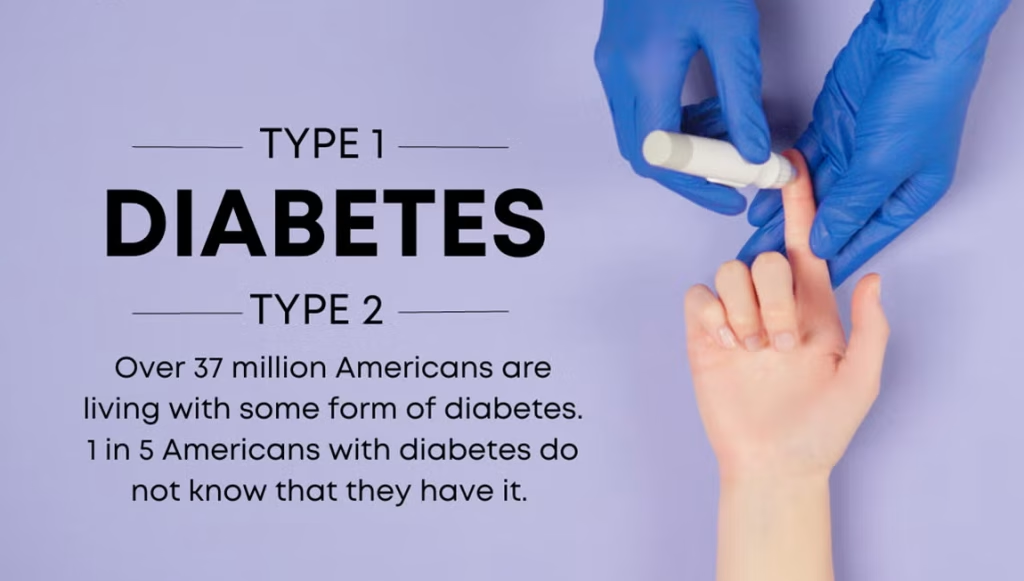
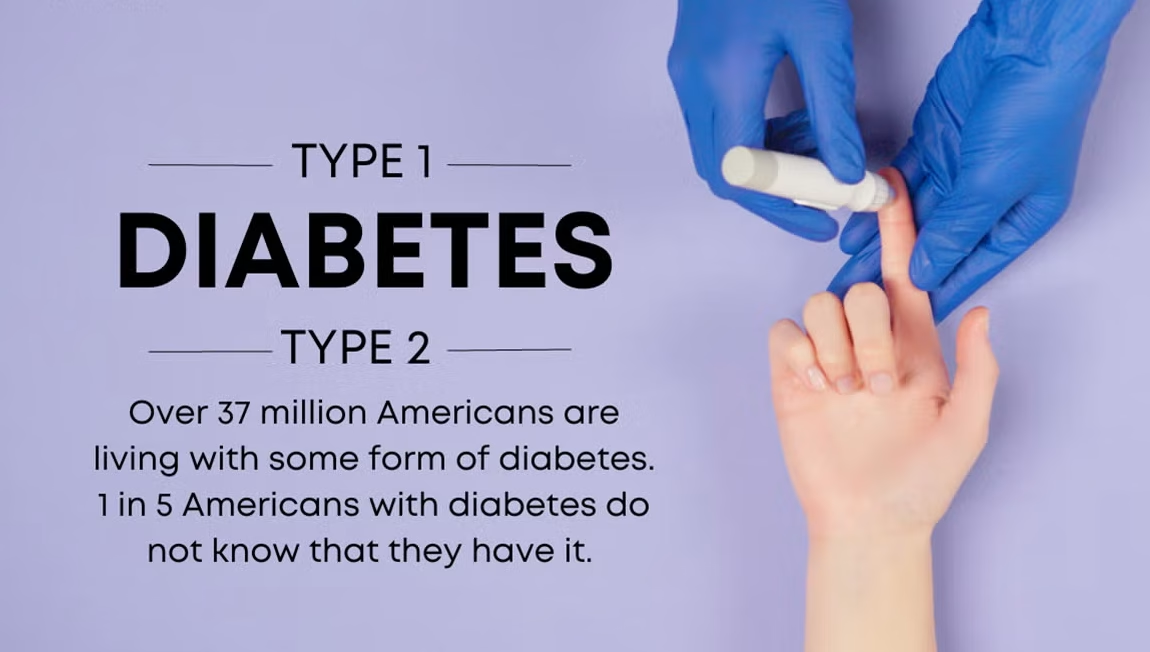
Diabetes can manifest through various symptoms depending on its type and severity. According to estimates from the Robert Koch Institute, more than one million people in Germany are living with undiagnosed diabetes mellitus. But what are the early warning signs of this metabolic disorder, and how can it be detected?
What is Diabetes?
Type 2 Diabetes
What is Type 2 Diabetes?
More than 90% of diabetes cases are type 2 diabetes. Since its symptoms often appear later in life, it was once referred to as “adult-onset diabetes.” However, younger individuals—including children and adolescents—are increasingly being diagnosed with this form of diabetes.
Type 2 diabetes develops gradually and is characterized by insulin resistance. Over time, the body’s cells become less responsive to insulin, making it difficult for the body to process sugar from food efficiently. As a result, blood sugar levels rise. Initially, the pancreas compensates by producing more insulin, but eventually, insulin production becomes insufficient, leading to chronic hyperglycemia.

Type 1 Diabetes
What is Type 1 Diabetes?
Type 1 diabetes accounts for approximately 5% of diabetes cases in Germany. It is typically diagnosed in childhood or adolescence and is classified as an autoimmune disease.
In type 1 diabetes, the immune system mistakenly attacks the insulin-producing beta cells in the pancreas. As a result, the body stops producing insulin, and glucose from the bloodstream cannot enter the body’s cells. This leads to elevated blood sugar levels and the onset of classic diabetes symptoms.
Symptoms of Diabetes at a Glance
Diabetes often develops gradually, making early detection challenging. The condition may remain undiagnosed for years due to its subtle or hidden symptoms. Since diabetes exists in different forms, symptoms can vary among individuals. To identify the disease early, people should take potential warning signs seriously and consult their primary care physician if symptoms arise.
What Are the First Signs of Type 2 Diabetes?
Type 2 diabetes develops slowly, and many individuals remain symptom-free for 5 to 10 years before diagnosis. However, elevated blood sugar levels can cause damage to blood vessels and nerves long before symptoms become noticeable.
The first signs of diabetes often relate to fluid imbalance in the body, such as:
- Increased thirst (polydipsia)
- Frequent urination (polyuria)
Since excessive thirst and frequent urination are classic early symptoms of diabetes, recognizing these signs is critical. The body attempts to remove excess blood sugar through the urine, resulting in dehydration and increased thirst.
Are You at Risk for Diabetes?
The likelihood of developing type 2 diabetes increases with certain risk factors, including:
- Overweight or obesity
- Lack of physical activity
- Smoking
- High blood pressure
- Certain medications
- Genetic predisposition (family history of diabetes)
Individuals with multiple risk factors should be particularly vigilant and schedule a medical check-up if diabetes symptoms appear.
Additional Signs of Type 2 Diabetes
Some symptoms of type 2 diabetes are less specific, making them harder to recognize. These “hidden symptoms”include:
- Chronic fatigue and weakness – Due to reduced energy availability, individuals often feel physically drained.
- Dry, itchy skin – Caused by increased fluid loss and dehydration.
- Slow-healing wounds – Impaired metabolism at injury sites slows the healing process.
- Increased susceptibility to infections – Poor blood circulation and dry skin make the body more prone to infections.
- Blurred vision and muscle cramps – Can also be symptoms of undiagnosed diabetes mellitus.
How to Recognize Type 1 Diabetes?
Type 1 diabetes also develops gradually but becomes symptomatic once approximately 80% of insulin-producing cells are destroyed. Symptoms typically appear suddenly over days or weeks.
Like in type 2 diabetes, increased thirst and frequent urination are early signs of type 1 diabetes.
The reason is the same: blood sugar levels are extremely high and exceed the renal threshold (hyperglycemia). The kidneys filter excess sugar from the blood and excrete it through urine, leading to dehydration and triggering thirst.
Other key signs of type 1 diabetes include:
- Increased appetite – Since glucose cannot enter the body’s cells due to insulin deficiency, the body craves more food for energy.
- Rapid weight loss – The body starts breaking down fat reserves for energy.
- Exhaustion and fatigue – Burning fat for energy is less efficient, requiring more effort from the body.
- Acetone breath (fruity smell) – A sign of diabetic ketoacidosis (DKA), a severe complication that can lead to unconsciousness (diabetic coma) if left untreated.
Other symptoms include headaches, dizziness, vision problems, and muscle cramps.
Diagnosing Diabetes: How Is It Detected?
Diabetes symptoms can be nonspecific, making diagnosis challenging. Only medical professionals can confirm whether diabetes is present. A blood test is required to measure blood sugar levels accurately.
Types of Blood Sugar Tests:
- Fasting blood sugar – Measured after at least 8 hours of fasting.
- Random blood sugar – Measured at any time of the day, independent of meals.
- Oral glucose tolerance test (OGTT) – Assesses how well the body processes sugar after consuming a glucose solution.
- Long-term blood sugar (HbA1c level) – Provides an average blood sugar level over the past three months.
Diabetes Diagnosis Criteria:
Diabetes is diagnosed if:
- Fasting blood sugar exceeds 126 mg/dL (7.0 mmol/L) on multiple occasions.
- Blood sugar after OGTT is over 200 mg/dL (11.1 mmol/L) two hours after consuming glucose.
- HbA1c levels exceed 6.5%.
If random blood sugar levels exceed 200 mg/dL (11.1 mmol/L), further testing is required to confirm diabetes.
In some cases, a urine glucose test can provide an initial indication, but an official diagnosis requires blood sugar measurement by a physician.
Diabetes Management After Diagnosis
Once diagnosed, a healthcare provider will recommend appropriate treatment based on the type and severity of diabetes. Possible treatment options include:
✅ Lifestyle modifications (healthy diet and increased physical activity)
✅ Insulin therapy (especially for type 1 diabetes)
✅ Oral medications (for type 2 diabetes)
The goal of all diabetes treatments is to lower blood sugar levels and prevent complications. A personalized therapy plan is developed in collaboration with a diabetes care team.
What is Diabetes and How Does It Develop?
Diabetes is a chronic metabolic disorder characterized by persistently high blood sugar levels. If left untreated, it can cause organ damage, blood vessel complications, and nerve damage.
How Does Diabetes Develop?
Diabetes occurs when the body’s cells cannot properly absorb or process glucose due to insufficient insulin production or insulin resistance.
The hormone insulin, produced by the pancreas, plays a crucial role in glucose metabolism. In diabetes, insulin is either:
- Ineffective (insulin resistance),
- Produced in insufficient amounts, or
- Completely absent (as in type 1 diabetes).
The most common forms of diabetes include:
- Type 1 diabetes
- Type 2 diabetes
- Gestational diabetes
- LADA (Latent Autoimmune Diabetes in Adults)
Understanding the early symptoms of diabetes and seeking timely diagnosis is essential for preventing complications.
Would you like to learn more about how Glucofit can help monitor blood sugar and support diabetes management? Take control of your health today!