table of contents

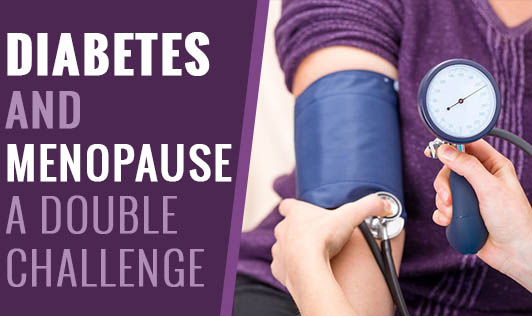
For women with diabetes, perimenopause and menopause bring unique challenges. Hormonal shifts during this time can impact blood sugar levels, weight, and overall health. Understanding what to expect can help you better manage these changes and maintain control over your diabetes.
What Are Menopause and Perimenopause?
Menopause marks the end of a woman’s menstrual cycle and typically occurs between ages 45 and 55. It is preceded by perimenopause, the transition period that can last several years.
Hormonal fluctuations during perimenopause and menopause can cause a variety of symptoms, including:
- Mood swings, irritability, or depression
- Irregular or absent periods
- Bone loss
- Changes in sexual function and desire
- Insomnia or difficulty sleeping
- Hot flashes and night sweats
- Increased cholesterol levels
- Higher risk of urinary tract infections
Menopause officially begins when a woman has not had a period for 12 consecutive months. Symptoms often peak during the first one to two years after the final menstrual cycle.
Diabetes and Menopause: What to Expect
1. Blood Sugar Fluctuations
Estrogen and progesterone affect how your body responds to insulin. As these hormones decline, insulin resistance may increase, causing higher blood sugar levels. Women with diabetes may need to adjust their medication or diet to maintain stable glucose levels.
2. Weight Gain
Many women gain weight during menopause due to hormonal shifts, slower metabolism, and lifestyle changes. Since excess weight can make blood sugar harder to control, regular exercise and a balanced diet are crucial.
3. Increased Risk of Infections
Higher blood sugar levels can lead to more frequent urinary tract and yeast infections. Additionally, lower estrogen levels alter vaginal bacteria, making infections more likely. Staying hydrated and managing blood sugar effectively can help reduce this risk.
4. Sexual Health Changes
Many women experience vaginal dryness, which can make intercourse painful. Diabetes-related nerve damage may also affect sexual arousal and orgasm. Using lubricants and discussing treatment options with a doctor can help manage these symptoms.
5. Sleep Disruptions
Hot flashes and night sweats can make it difficult to sleep. Poor sleep can, in turn, make blood sugar levels harder to control. Practicing good sleep hygiene and maintaining a consistent bedtime routine can help improve rest.
Tips for Managing Diabetes During Menopause
1. Make Healthy Lifestyle Choices
A well-balanced diet rich in vegetables, lean proteins, whole grains, and healthy fats can help regulate blood sugar and manage weight. Regular exercise, such as walking, yoga, or strength training, can improve insulin sensitivity and overall health.
2. Monitor Blood Sugar Levels
Since menopause affects blood glucose, frequent monitoring is essential. Track patterns in your blood sugar and discuss any significant changes with your doctor. If needed, adjustments to medication or insulin doses can help keep levels in check.
3. Get Screened for Heart Disease
Menopause increases the risk of heart disease, especially for women with diabetes. Regular cholesterol and blood pressure screenings can help detect early warning signs and prevent complications.
4. Discuss Hormone Replacement Therapy (HRT)
HRT can help relieve menopause symptoms such as hot flashes, night sweats, and vaginal dryness. Some research suggests that HRT may also improve insulin sensitivity. However, it carries risks, including blood clots and certain cancers. Speak with your healthcare provider to weigh the benefits and risks.
5. Prioritize Self-Care
Managing menopause alongside diabetes can be challenging, but focusing on stress management, quality sleep, and regular doctor visits can make a big difference. Staying informed and proactive will help you maintain control of your health during this transition.
With the right approach, menopause and perimenopause don’t have to derail your diabetes management. By working closely with your healthcare provider and making healthy choices, you can navigate these changes while staying strong and healthy.