

If you’re managing diabetes, chances are you’ve been told to “watch your carbs.” But what does that actually mean?
Carbohydrates—commonly known as carbs—are often misunderstood. Some are essential to your health, while others can spike your blood sugar. For people with type 2 diabetes, learning how to choose and balance carbs is a powerful step toward better blood glucose control, more stable energy levels, and fewer food-related surprises.
With Glucofit, you can track the carbs in your meals and see in real time how your body responds—so instead of guessing, you’re learning what works best for you.
Let’s explore the basics of carbs, how they work, and which ones you’ll want to prioritize in your diet.
What Is a Carbohydrate?
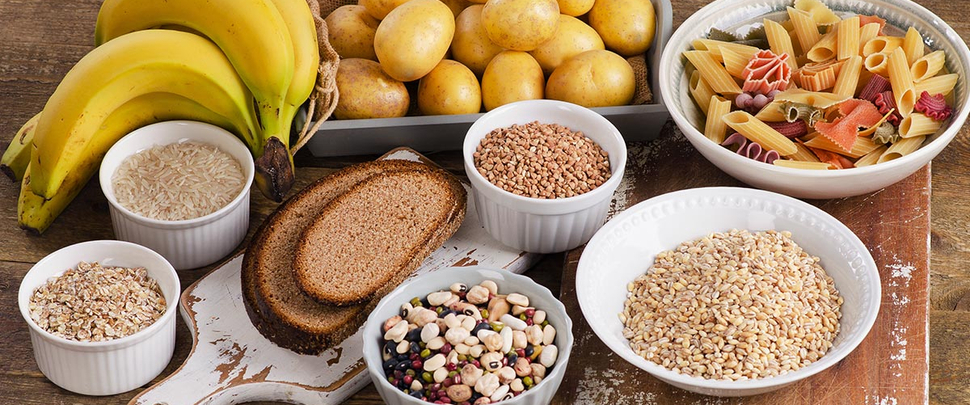
Carbohydrates are one of the three main macronutrients—along with protein and fat—that your body needs for energy. They’re found in a wide variety of foods, including:
-
Fruits and vegetables
-
Grains and cereals
-
Milk and dairy products
-
Legumes
-
Sweets and sugary drinks
When you eat carbs, your body breaks them down into glucose (blood sugar). That glucose travels through your bloodstream to fuel your cells. To absorb and use that sugar, your body relies on insulin—a hormone made by the pancreas.
For people with type 2 diabetes, either your pancreas doesn’t make enough insulin, or your cells don’t respond to it properly. That’s why managing carb intake is such a big deal—it directly affects your blood sugar.
What Is a Simple Carb?
Simple carbohydrates are sugars made of one or two sugar molecules. They’re broken down quickly by the body and can cause a rapid rise in blood sugar levels.
Some simple carbs occur naturally, like the fructose in fruit or the lactose in milk. But most of the simple carbs in our modern diets are added sugars. These include:
-
Table sugar (sucrose)
-
High-fructose corn syrup
-
Fruit juice concentrate
-
Brown sugar
-
Glucose and dextrose
-
Raw sugar
-
Candy, soda, pastries
For people with diabetes, eating too many simple carbs—especially added sugars—can make it harder to manage your glucose and may contribute to insulin resistance over time.
Glucofit tip: Use the app to compare how your glucose responds to natural sugars (like fruit) versus added sugars in packaged foods.
What Is a Complex Carb?
Complex carbohydrates are made of longer chains of sugar molecules. They take longer to break down, which means they don’t spike your blood sugar as quickly and may give you longer-lasting energy.
Complex carbs are divided into two types:
-
Starch: Found in grains, legumes, and starchy vegetables
-
Fiber: The indigestible part of plant foods that helps regulate blood sugar, keeps you full, and supports gut health
Examples of complex carbs:
-
Whole-wheat bread and pasta
-
Oats and quinoa
-
Brown rice and barley
-
Beans and lentils
-
Carrots, peas, and corn
-
Apples, berries, and pears
Studies show that high-fiber diets are linked to better blood sugar control and may reduce the risk of developing type 2 diabetes.²
Glucofit tip: Log high-fiber meals and track post-meal blood glucose. You’ll likely see smaller, steadier rises compared to low-fiber meals.
Healthy Carbs to Add to Your Diet
Managing diabetes doesn’t mean eliminating all carbs. Instead, focus on quality over quantity. Here are some of the best carbs to include regularly:
🍌 Fruits Rich in Fiber
Whole fruits contain natural sugars but also provide fiber, vitamins, and antioxidants. Best choices include:
-
Apples
-
Berries
-
Bananas (especially when not overripe)
-
Pears
-
Oranges
Tip: Avoid canned fruits in syrup or fruit juices, which often contain added sugars.
🥦 Vegetables
Non-starchy veggies are low in calories and carbs but packed with nutrients and fiber. Great options:
-
Broccoli
-
Spinach
-
Kale
-
Carrots
-
Zucchini
-
Cauliflower
Starchy veggies like potatoes and corn are higher in carbs, so portion size matters.
🥣 Whole Grains
Whole grains are high in fiber and digest more slowly than refined grains. Try:
-
Oats
-
Quinoa
-
Buckwheat
-
Barley
-
Brown rice
-
Whole-wheat pasta
Look for “100% whole grain” on labels and aim for products with at least 3 grams of fiber per serving.
🫘 Beans and Legumes
Beans offer a unique combo of complex carbs, protein, and fiber. They’re also a great source of magnesium and potassium, which support heart health.
Try adding:
-
Black beans
-
Lentils
-
Chickpeas
-
Pinto beans
They’re affordable, filling, and easy to add to soups, salads, and bowls.
Glucofit tip: If beans cause a glucose spike, try combining them with more non-starchy vegetables or a lean protein to smooth out the curve.
Key Takeaways
Carbs aren’t the enemy—but they do require attention when you’re managing diabetes. The type, amount, and timing of carbs all play a role in how they affect your blood sugar.
To keep things simple:
✅ Choose complex carbs that are high in fiber
✅ Limit simple and added sugars
✅ Balance carbs with protein and healthy fats
✅ Track your meals with Glucofit to see how your body responds
✅ Work with your healthcare team to determine the right amount of carbs per meal
Learning how to eat carbs wisely is one of the most empowering tools in diabetes management. With the right strategies—and the right tech—you don’t just survive. You thrive.
Sources: