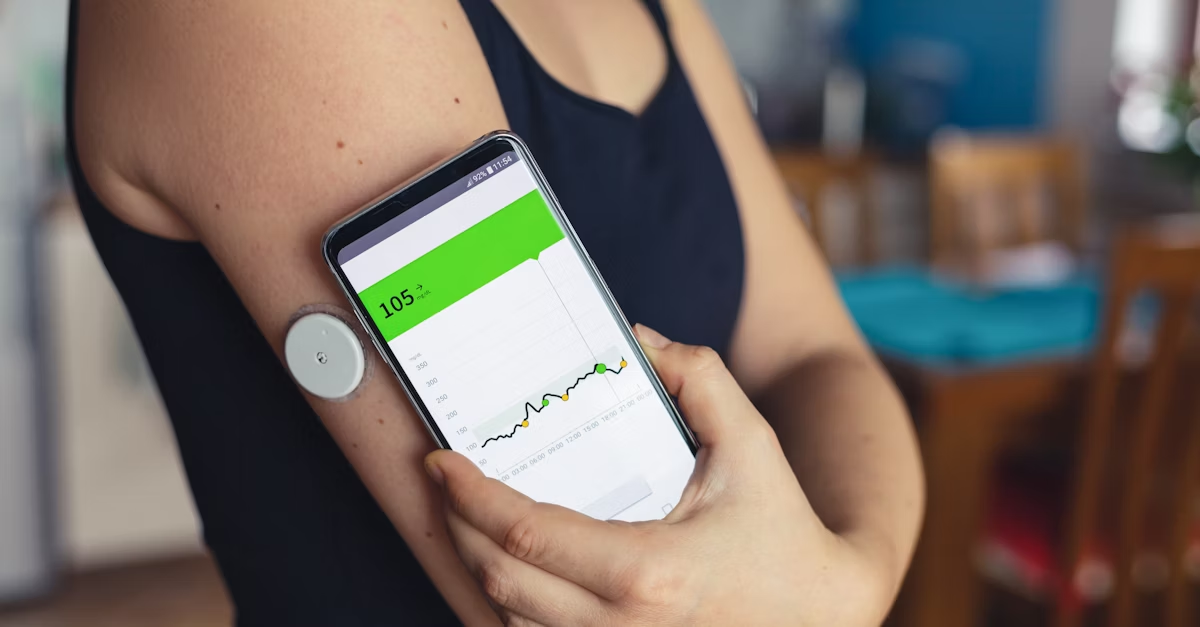
Blood glucose meters are essential for managing Type 2 diabetes, serving as a primary tool for daily tracking and analysis. However, their accuracy is crucial for reliable data and informed decision-making.
Why Accuracy in Blood Glucose Meters Matters
Accurate readings provide:
- Reliable data for diabetes management
- Better prediction of A1C results
- Insights into food, exercise, and stress impacts
- Detection of hypo- or hyperglycemia episodes
- Guidance for medication dosage adjustments
8 Factors That Affect Blood Glucose Meter Accuracy
1. Meter Calibration and Quality
Ensure your meter meets FDA or ISO accuracy standards. Some meters require coding to match test strip vials, while others, like Accu-Chek meters, eliminate this step.
2. Test Strip Quality and Compatibility
Use test strips from the same brand as your meter, as third-party strips may cause inaccuracies. Always check expiration dates and avoid unauthorized or second-hand strips.
3. Regulatory Standards and Quality Control
- FDA: Requires 95% accuracy within 15% for all readings in the “usable” range.
- ISO: Requires 95% accuracy within 15% for glucose levels ≥100 mg/dL and within 15 mg/dL for levels <100 mg/dL.
- Accu-Chek: Implements strict quality control, testing thousands of strips per lot to ensure consistency.
4. Cleanliness of Hands and Testing Site
Dirt, food, or lotion can affect readings. Wash and dry hands thoroughly before testing.
5. Testing Technique and Site
- Always follow the meter’s instructions.
- Fingertips provide the most accurate readings.
- Alternate sites (palm, forearm) may be less reliable, especially during rapid glucose changes.
- Ensure enough blood is applied to the strip.
6. Environmental Conditions
Avoid exposing your meter and strips to extreme temperatures or high altitudes, as these conditions may impact readings.
7. Hematocrit Levels
Anemia or dehydration can affect results. Consult your healthcare provider for guidance on accurate readings.
8. Medication Interference
Drugs such as acetaminophen, vitamin C, and dopamine can skew readings. Patients on peritoneal dialysis should be aware of maltose interference with some meters.
Ensuring Accurate Readings
- Choose a high-quality, FDA-approved meter.
- Store and use test strips properly.
- Follow manufacturer instructions carefully.
- Discuss any discrepancies with your healthcare provider.
Blood glucose meter accuracy is vital for effective diabetes management. By understanding the factors that influence readings and taking preventive measures, you can ensure the most reliable results for better health outcomes.