table of contents

Living with diabetes means constantly balancing your food choices with your blood sugar goals. You get used to reading labels, counting carbs, and asking questions like, Is this safe for me? One question that often comes up is this: Does “sugar-free” mean “carb-free”?
The short answer? Not at all.
In fact, sugar-free doesn’t always mean it’s a healthy or low-carb option — and it definitely doesn’t mean it won’t affect your blood glucose. Let’s break it down in detail so you can feel confident next time you see that tempting “sugar-free” label.
Why “Sugar-Free” Doesn’t Mean “Carb-Free”
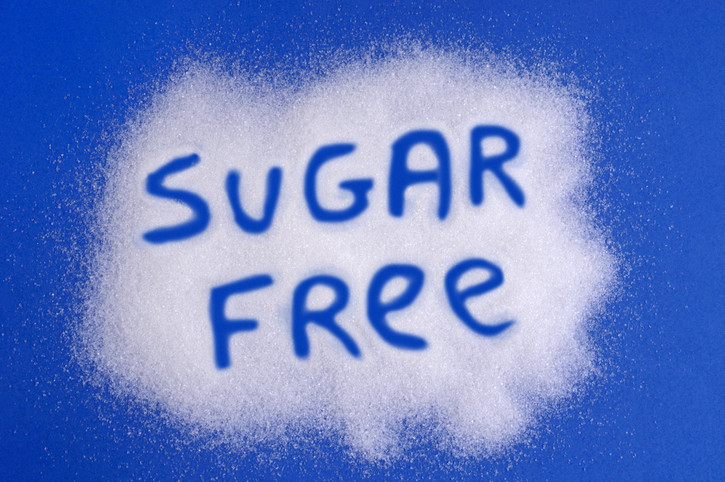
When a food is labeled “sugar-free,” that only tells you it contains less than 0.5 grams of sugar per serving. It says nothing about starches, grains, milk solids, or other carbohydrate sources that can raise your blood sugar just as much — or even more.
Let’s take sugar-free chocolate as an example. It may have no sugar, but still contain carbs from cocoa solids, milk, or sugar alcohols. A single square can contain 10–15 grams of carbs, and eating a few pieces easily adds up to a full meal’s worth of carbs — without you realizing it.
Or look at sugar-free cookies. Just because they’re sweetened with erythritol instead of sugar doesn’t mean they’re free from flour, oats, or other starches. If you’re not checking the nutrition label, you could be unknowingly consuming as many carbs as a regular cookie — just with different ingredients.
The “No Sugar Added” Trap
You’ll also see foods marketed as “no sugar added.” It sounds like a better choice, right? But here’s the truth: that label only means no sugar was added during processing. It doesn’t mean the food didn’t start off high in natural sugars or carbs.
For example, fruit juice labeled “no sugar added” still contains natural fruit sugar — often 25 to 35 grams of carbohydrates per cup. That’s more than a slice of cake. Yogurt can be another trap: plain Greek yogurt might have 7 grams of sugar naturally from lactose, while flavored “no sugar added” yogurts may include fruit puree and still total 20+ grams of carbs per serving.
The best strategy? Always look beyond the front of the package. Go straight to the nutrition facts and check the total carbohydrates, not just sugar.
Sugar Alcohols: Not Quite “Free” Either
A lot of sugar-free products are sweetened with sugar alcohols like xylitol, sorbitol, erythritol, or maltitol. These are popular in gum, candies, chocolates, and even baked goods marketed to people with diabetes.
The good news: sugar alcohols are absorbed more slowly and don’t spike blood sugar as rapidly as regular sugar. In fact, erythritol barely affects blood glucose at all. But the bad news is they still contain carbs — and not all sugar alcohols are created equal.
Some, like maltitol, can still raise your blood sugar significantly. Plus, sugar alcohols may cause bloating, gas, or diarrhea in larger amounts — especially if you eat a lot in one sitting. It’s not uncommon for people to overeat sugar-free foods thinking they’re “safe,” only to end up with both a glucose spike and a stomachache.
It’s the Total Carbs That Count
Carbohydrates come from a variety of sources: sugar, starches, grains, fruit, dairy, legumes, and even some vegetables. Whether it’s from white bread or fruit juice, carbs eventually break down into glucose and enter your bloodstream.
That’s why diabetes educators always recommend looking at the total carbohydrate line on a label — not just sugar.
Here’s an example to illustrate:
-
Regular chocolate chip cookie: ~26g carbs
-
Sugar-free cookie: ~20g carbs
Difference? Small. And the sugar-free version may contain sugar alcohols and added fats to improve flavor, making it not necessarily healthier.
Same goes for pie:
-
Regular slice of apple pie: ~40g carbs
-
Sugar-free apple pie: ~37g carbs
Again, not a huge difference — but the label can make it feel like a guilt-free option.
What Should You Do?
So how do you make better choices?
-
Always check total carbohydrates. Ignore the front of the package and go straight to the nutrition label.
-
Watch your portions. Even low-carb foods can add up fast if you eat more than one serving.
-
Be mindful of sugar alcohols. They’re not always blood sugar–friendly, and can have digestive side effects.
-
Look for fiber. High-fiber foods slow digestion and can help stabilize blood sugar after meals.
-
Stick to whole foods when possible. Whole grains, legumes, nuts, lean proteins, and fresh veggies are naturally nutrient-rich and blood sugar–friendly.
Final Thoughts
“Sugar-free” isn’t a magic word — and it doesn’t give foods a free pass. While some sugar-free options can be helpful for reducing added sugar intake, they’re not necessarily low-carb or even low-calorie. The key to managing diabetes through diet is not just about avoiding sugar. It’s about understanding the bigger carbohydrate picture and making informed choices.
So next time you see a sugar-free label, take a closer look. With a little label literacy, you’ll be better prepared to pick the foods that truly support your health — and your blood sugar.
Sources:
-
Mayo Clinic: https://www.mayoclinic.org/diseases-conditions/diabetes
-
Cleveland Clinic: https://health.clevelandclinic.org/what-to-know-about-sugar-alcohols
-
Healthline: https://www.healthline.com/nutrition/sugar-alcohols-good-or-bad
-
Diabetes Food Hub: https://www.diabetesfoodhub.org/articles/what-are-sugar-alcohols.html