table of contents

For many people living with diabetes, the idea of camping may feel like a logistical nightmare. There are real concerns: How will I store my insulin? What if my blood sugar drops overnight? Can I eat healthy while cooking over a fire?
But here’s the good news—when done thoughtfully, camping can be one of the most therapeutic and empowering experiences for someone managing diabetes. Nature offers more than just fresh air and scenic views; it offers a break from the chaos, a reconnection to your body, and even surprising benefits to your glucose control.
Let’s explore why camping might just be the ultimate self-care retreat for people with diabetes.
Reconnect With Your Body in a Natural Way
Modern life often separates us from our body’s natural rhythms. Camping brings us back. Without clocks or schedules, we tend to wake with the sunrise, move more throughout the day, and eat when we’re truly hungry. This natural alignment can have positive effects on both mental and metabolic health.
For those with diabetes, this slower, more intuitive pace helps you become more aware of how your body feels before and after meals, during activity, or even in moments of stress. It’s a unique opportunity to observe how your blood sugar responds in real-time to a more grounded lifestyle.
Gentle Movement With a Purpose
Camping is full of natural, low-intensity movement—walking trails, collecting firewood, setting up your tent, and exploring the campsite. Unlike a gym workout that might feel forced, these activities are purposeful and enjoyable. And the benefits are real: physical activity helps muscles absorb glucose more efficiently, reducing insulin resistance and promoting more stable blood sugar levels throughout the day.
You don’t need to hike a mountain. Even 20-minute walks or light trail exploration can make a meaningful difference. Plus, the mental satisfaction of completing an activity outdoors can be more motivating than hitting your step goal on a treadmill.
Less Processed Food, More Mindful Eating
Let’s face it: it’s much easier to avoid junk food when it’s not readily available. When you’re camping, your meals are usually the result of planning. That’s a good thing. Packing your own food means you’re in control of ingredients, portion sizes, and carbohydrate content.
Instead of drive-thru meals, you might enjoy grilled chicken with vegetables, nuts, hard-boiled eggs, fresh fruits, and whole grains. Cooking over a campfire naturally slows you down and encourages mindful eating, which studies show can reduce post-meal glucose spikes.
Bonus: food just tastes better outside.
Stress Reduction in Every Breath
Diabetes and stress have a complicated relationship. Cortisol—the primary stress hormone—can spike blood glucose levels, and long-term stress can make diabetes harder to manage. Camping is a rare opportunity to disconnect from digital stressors, social media, and tight schedules.
Research shows that even a few hours in nature can significantly reduce cortisol levels, lower heart rate, and improve mood. The forest, the ocean, the desert—wherever you choose to go—nature is a calming agent. It’s medicine without a prescription.
And when your mind relaxes, your body often follows.
Better Sleep, Naturally
Poor sleep is a known contributor to insulin resistance and unstable glucose levels. At home, blue light from screens and irregular bedtimes often interfere with quality rest. In contrast, camping resets your body clock. Exposure to natural light during the day and darkness at night supports melatonin production and more restorative sleep.
When sleeping outdoors—whether in a tent or camper—you often find yourself falling asleep earlier, waking more refreshed, and feeling better equipped to handle blood sugar fluctuations.
Confidence and Independence in Diabetes Management
Planning for a camping trip requires preparation: medications, backup meters, glucose tabs, snacks, and knowing how to store insulin safely. But here’s the silver lining—it makes you more confident. Facing a new environment helps build trust in your ability to manage diabetes in any situation.
You’ll come back not only refreshed, but with stronger self-management skills and a sense of pride. It’s about realizing that diabetes doesn’t have to hold you back. It just requires planning and awareness—and you’ve got that.
Smart Tips for a Safe Camping Trip
Bring a cooler with ice packs or a portable insulin fridge to keep medications safe.
Test your blood sugar more frequently, especially during and after physical activity.
Pack complex carbs and fast-acting glucose (juice, glucose tablets) for emergencies.
Create a checklist of supplies: syringes, test strips, pump batteries, etc.
Tell your camping companions how to help if you experience a hypo or hyperglycemic episode.
Final Thought
Camping isn’t just about sleeping under the stars. It’s about reclaiming a sense of balance, challenging your routine in a safe and inspiring way, and discovering how nature supports your diabetes journey.
You don’t need to go far. Even a one-night stay at a nearby state park can have lasting benefits for your mental and metabolic health.
So pack your gear, prep your snacks, and don’t forget your glucose meter.
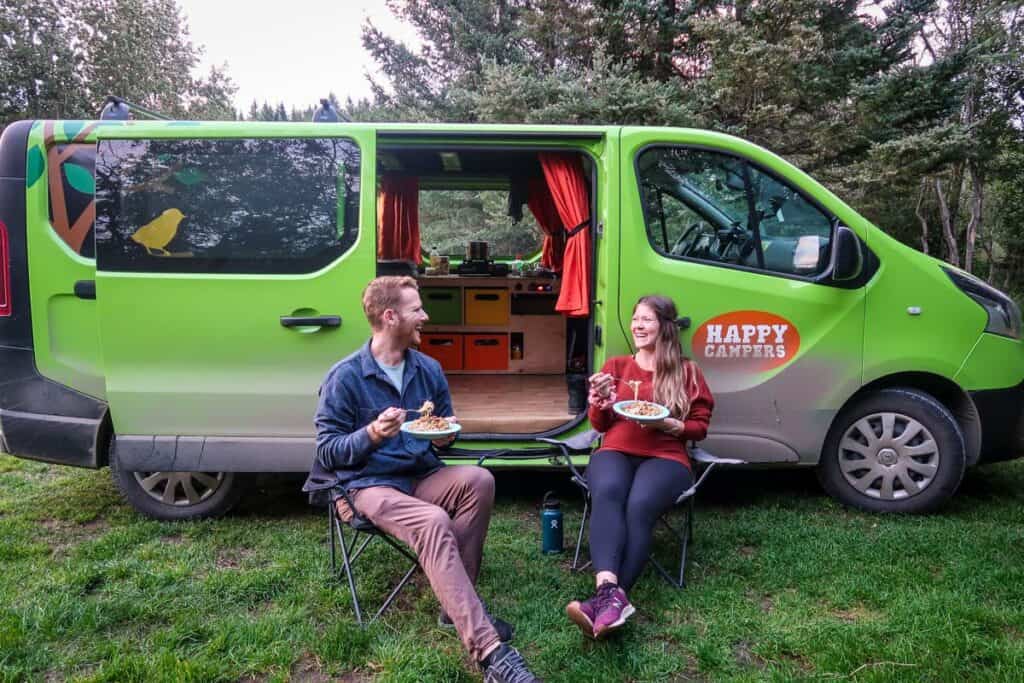
You’re ready to be a happy camper—one who’s not just surviving with diabetes, but thriving.