table of contents
- Types of Blood Glucose Monitors
- When to Check Your Blood Sugar
- What You Can Learn from Regular Testing
- Advanced Blood Sugar Tracking: Structured Testing
- The Power of Digital Tracking
- How to Check Blood Sugar with a Glucose Meter
- Choosing the Right Glucose Meter
- Minimizing Pain During Testing
- Understanding Normal Blood Sugar Levels
- How to Use Blood Sugar Data Effectively
- Take Control of Your Diabetes with Smart Testing
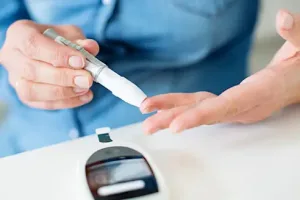
Monitoring your blood sugar levels is a crucial part of managing diabetes. When blood sugar levels rise too high or drop too low, it can impact your mood, well-being, and long-term health. Fortunately, modern glucose meters and continuous glucose monitors (CGMs) make it easier than ever to stay informed about your glucose levels.
Types of Blood Glucose Monitors
- Blood Glucose Meters (BGMs): Use test strips and a small blood sample to provide instant readings.
- Continuous Glucose Monitors (CGMs): Attach to or implant in the body to provide real-time glucose level monitoring.
- Flash Glucose Monitors (FGMs): Hybrid systems that allow for instant readings and continuous tracking.
When to Check Your Blood Sugar
The American Diabetes Association (ADA) recommends checking blood sugar levels regularly to understand how meals, medications, and physical activity affect your glucose. Depending on your health condition and treatment plan, you may need to test:
- Before meals
- 1–2 hours after meals
- Before bedtime
- During the night
- Before and after exercise
- If feeling symptoms of high or low blood sugar
- When experiencing illness or stress
What You Can Learn from Regular Testing
Tracking blood sugar levels consistently can help answer key questions:
- Are your medications working effectively?
- How do specific foods impact your blood sugar?
- What role do exercise and stress play in glucose fluctuations?
Advanced Blood Sugar Tracking: Structured Testing
Beyond daily monitoring, structured blood sugar testing can provide deeper insights:
- Helps detect glucose patterns and trends
- Assists in troubleshooting highs and lows
- Supports better decision-making in collaboration with healthcare professionals
The Power of Digital Tracking
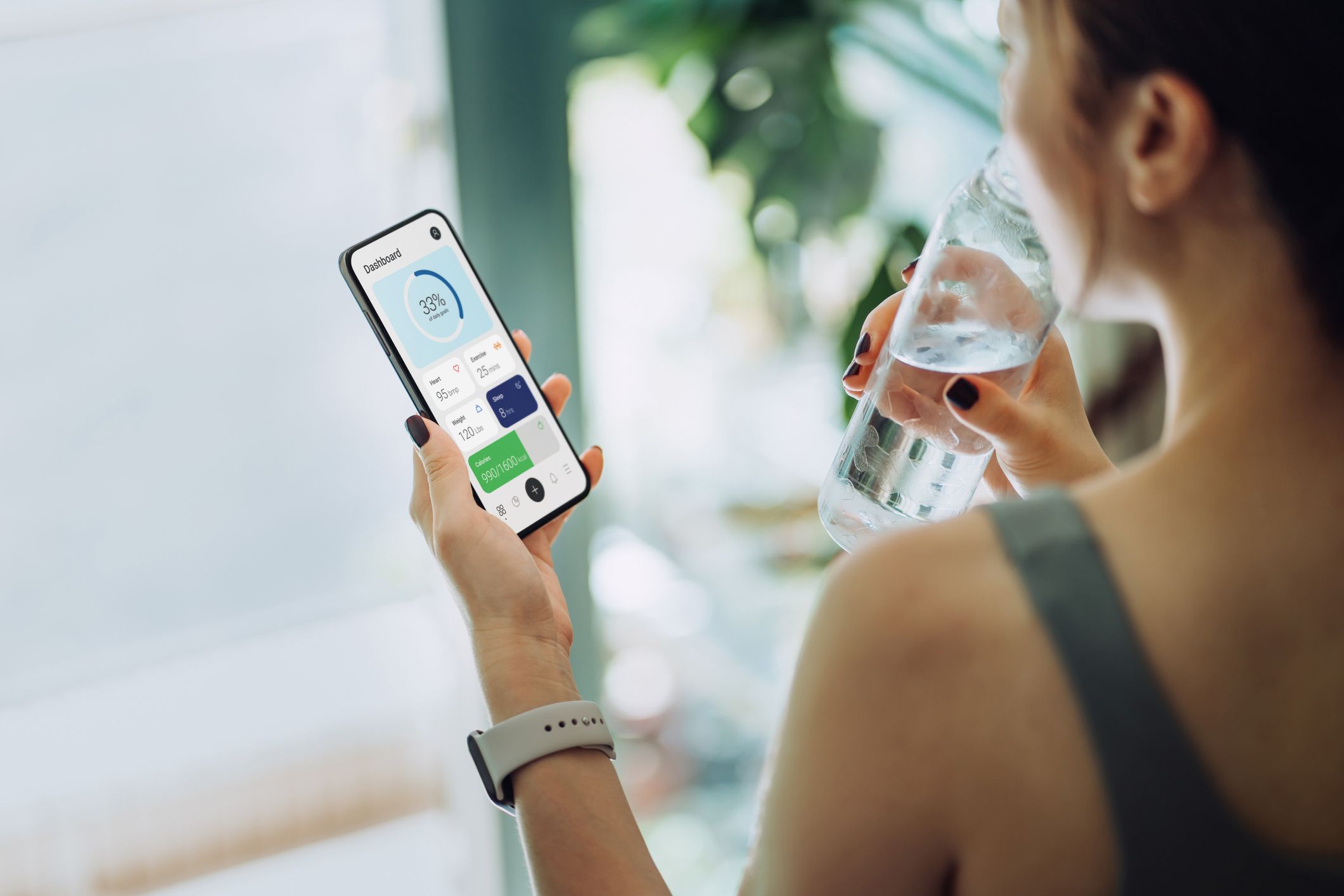
Using an app like Glucofit, you can effortlessly log your blood sugar results and identify patterns. Digital tools offer:
- Automated data entry: Syncs with your glucose meter for real-time tracking
- Detailed reports: Shareable with your healthcare team
- Trend analysis: Identifies patterns that affect blood sugar control
How to Check Blood Sugar with a Glucose Meter
Follow these steps to test your blood sugar accurately:
- Choose a finger for testing and alternate fingers to reduce sensitivity.
- Wash and dry your hands to improve accuracy.
- Turn on your meter and insert a test strip.
- Use a lancing device to obtain a blood sample.
- Apply the blood to the test strip.
- View your blood sugar reading.
- Record the results in an app, logbook, or device memory.
- Dispose of used lancets safely in a sharps container.
Choosing the Right Glucose Meter
Consider these factors when selecting a blood glucose meter:
- Accuracy: Look for clinically tested meters.
- Data Syncing: Choose a meter that connects with an app for seamless tracking.
- Speed & Ease of Use: Select a device with fast results and minimal setup.
- Pain Reduction: Opt for a lancing device with adjustable depth settings and ultra-thin lancets.
Minimizing Pain During Testing
If fear or discomfort prevents regular testing, try these pain-reduction tips:
- Use a high-quality lancing device with precision depth settings.
- Always use a fresh lancet to prevent dulling.
- Lance the side of your fingertip instead of the center.
- Consider alternate testing sites like the palm or forearm (consult your doctor first).
Understanding Normal Blood Sugar Levels
The ADA’s recommended targets for most non-pregnant adults:
- HbA1c: Less than 7%
- Pre-meal glucose: 80–130 mg/dL
- Post-meal glucose (1–2 hours after eating): Less than 180 mg/dL
Your individual targets may vary based on age, health status, and lifestyle. Always consult with your doctor to personalize your glucose goals.
How to Use Blood Sugar Data Effectively
If your blood sugar readings show unexpected patterns, ask yourself:
- Have I changed my diet or portion sizes?
- Did I exercise more or less than usual?
- Have I taken my medication correctly?
- Am I under stress or feeling unwell?
- Did I consume alcohol recently?
Identifying patterns can help you make proactive adjustments to your lifestyle and diabetes management plan.
Take Control of Your Diabetes with Smart Testing
Regular blood sugar monitoring is a powerful tool in diabetes management. Whether using a traditional glucose meter or a connected app, tracking your glucose trends can lead to better insights, improved treatment, and enhanced well-being. Choose the best tools for your lifestyle and make blood sugar testing a seamless part of your daily routine.