

table of contents

Diabetic ketoacidosis (DKA) is a serious complication of diabetes that requires immediate attention. Understanding what it is, how to recognize its symptoms, and how to manage it can help you stay safe and prevent life-threatening complications.
What is Diabetic Ketoacidosis (DKA)?
High blood sugar isn’t just about feeling unwell—it can have serious consequences. When blood sugar levels rise too high, your body struggles to move glucose into the cells, forcing it to burn fat for energy instead. This process produces ketones, acidic byproducts that can make the blood dangerously acidic, leading to diabetic ketoacidosis (DKA).
Key warning sign: If your blood sugar is over 240 mg/dL, you should immediately use a ketone test strip to check your urine for ketones.¹
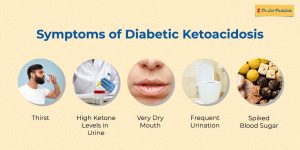
Symptoms of DKA include:
- Nausea and vomiting
- Severe dehydration
- Rapid breathing
- Extreme fatigue
- Fruity-smelling breath
If left untreated, DKA can be fatal, requiring emergency hospitalization.
What If Your Ketone Test Shows Moderate or Large Ketones?
If ketones are detected at moderate or large levels, immediate action is necessary:
- Take additional insulin based on your correction factor or sensitivity rule. If unsure, contact your doctor.
- Use a syringe for this extra insulin instead of your insulin pump.
- Change your infusion set if you use an insulin pump. Check if the cannula is bent or improperly inserted.
- Recheck blood sugar in 2 hours. If levels don’t decrease, seek medical assistance immediately.
What Caused Your Blood Sugar to Climb So High?
Several factors can contribute to dangerously high blood sugar and ketone production:
✅ Missed insulin doses – Did you forget to bolus for a meal or snack?
✅ Incorrect carbohydrate counting – Were your meal calculations off?
✅ Infusion set issues (for insulin pump users) – Did your site fall out or the cannula bend?
✅ Pump malfunction – Disconnect the pump and check if insulin flows properly.
✅ Illness or infection – Even minor illnesses can cause blood sugar spikes.¹
Preventing DKA: Know Your Action Plan
Having a clear plan in place can help prevent hospitalization due to DKA:
- Regularly monitor blood sugar and ketone levels when sick or experiencing high glucose levels.
- Stay hydrated to help flush ketones from your system.
- Rotate insulin pump sites properly to avoid poor absorption.
- Talk to your doctor about an emergency plan for managing ketones.
Being prepared and knowing when to take action can make all the difference in avoiding serious complications.
Final Thoughts
Diabetic ketoacidosis is a serious but preventable complication of diabetes. By monitoring blood sugar, checking ketone levels, and responding quickly to high glucose readings, you can protect your health and avoid emergency situations.
Do you have a personal plan for managing high blood sugar? Share your strategies in the comments!