
table of contents
If you’ve ever experienced an energy crash after eating, sudden cravings for sweets, or struggled with weight loss despite dieting, blood sugar spikes may be to blame. Often overlooked, these sharp rises and falls in blood sugar can sabotage weight loss efforts and contribute to long-term health issues, including obesity and diabetes. According to medical experts and leading health publications in the U.S., managing blood sugar levels is one of the most effective strategies for sustainable weight loss and overall well-being.
What is a Blood Sugar Spike?
A blood sugar spike occurs when glucose levels in the bloodstream rise rapidly after consuming high-carbohydrate or sugary foods. The pancreas responds by releasing insulin, a hormone that helps cells absorb glucose for energy or storage. However, excessive insulin release can cause blood sugar to drop too quickly, leading to energy crashes, hunger, and cravings for more sugar.
Dr. Mark Hyman, a renowned functional medicine physician, explains in an article for The Cleveland Clinic:
“When we consume processed carbohydrates and sugar, our body responds by releasing a flood of insulin. This can lead to insulin resistance over time, making it harder to lose weight and increasing the risk of metabolic disorders.”
Why Are Blood Sugar Spikes Dangerous for Weight Loss?
Several studies published in The American Journal of Clinical Nutrition and Harvard Health have shown that frequent blood sugar spikes can significantly impact metabolism and weight loss. Here’s how:
- Increased Fat Storage
When insulin levels are high, the body prioritizes fat storage rather than fat burning. This is because insulin signals the body to store excess glucose as fat, particularly around the abdominal area. - Frequent Hunger & Overeating
Blood sugar crashes that follow a spike can make you feel fatigued and excessively hungry. This can lead to overeating and craving more carbohydrates, creating a vicious cycle. - Insulin Resistance & Metabolic Slowdown
Over time, frequent insulin spikes can lead to insulin resistance, a condition where the body becomes less responsive to insulin. This makes it harder for glucose to enter cells efficiently, leading to higher blood sugar levels, slower metabolism, and an increased risk of type 2 diabetes. - Impact on Energy Levels & Exercise
Blood sugar fluctuations can lead to low energy, making it harder to stay active and burn calories. This is why many people feel sluggish after eating a meal high in sugar or refined carbs.
The Role of the American Diet in Blood Sugar Spikes
The standard American diet (SAD) is rich in processed foods, refined sugars, and low in fiber, making blood sugar spikes a common occurrence. According to The Journal of the American Medical Association (JAMA), nearly 60% of the American diet consists of ultra-processed foods, which are linked to obesity and metabolic disorders.
A study from The New England Journal of Medicine found that individuals who consumed a diet high in refined carbs and sugary drinks gained significantly more weight over a four-year period than those who focused on whole, unprocessed foods.
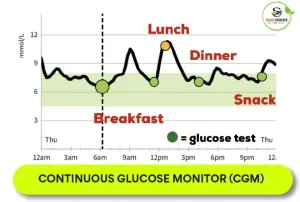
How to Prevent Blood Sugar Spikes
Fortunately, there are several science-backed strategies to stabilize blood sugar levels and support weight loss:
- Prioritize Protein and Healthy Fats
Protein and fats slow down the absorption of carbohydrates, reducing the likelihood of sharp blood sugar spikes. A study published in The Journal of Nutrition found that individuals who ate protein-rich breakfasts experienced fewer cravings and more stable blood sugar levels throughout the day. - Choose Complex Carbohydrates Over Refined Carbs
Whole grains, legumes, and vegetables contain fiber, which helps slow digestion and prevent rapid glucose absorption. The Glycemic Index (GI), developed by Harvard researchers, rates foods based on their effect on blood sugar. Low-GI foods such as quinoa, lentils, and berries can help maintain steady glucose levels. - Eat Balanced Meals
Instead of eating carbohydrates alone, pair them with fiber, protein, and healthy fats. For example, instead of a plain bagel, opt for whole grain toast with avocado and eggs. - Time Your Carbohydrates Wisely
Studies show that eating carbohydrates after consuming protein or fat can reduce post-meal blood sugar spikes. This is why many dietitians recommend starting meals with a salad, nuts, or lean protein before eating starchy foods. - Engage in Physical Activity After Eating
Light exercise, such as a 10-15 minute walk after meals, has been shown to reduce blood sugar spikes by up to 30% by helping muscles absorb glucose for energy. - Stay Hydrated and Manage Stress
Dehydration and stress hormones like cortisol can worsen insulin resistance. Prioritizing water intake and relaxation techniques such as meditation or deep breathing can support blood sugar balance. - Avoid Sugary Drinks & Processed Foods
Sodas, fruit juices, and energy drinks are some of the biggest culprits of blood sugar spikes. The American Diabetes Association (ADA) recommends eliminating these from your diet and opting for water, herbal tea, or drinks with no added sugar.
Blood Sugar Management: A Key to Long-Term Weight Loss
Dr. David Ludwig, an endocrinologist at Harvard Medical School, emphasizes in his research that controlling insulin levels is one of the most effective ways to manage weight loss long-term. His studies show that individuals who follow a low-glycemic diet experience greater fat loss and improved energy levels compared to those who simply cut calories.
In an interview with Time Magazine, Dr. Ludwig states:
“Weight loss isn’t just about eating less. It’s about controlling what happens hormonally inside the body. By stabilizing blood sugar and insulin, people can break free from the cycle of hunger and fat storage.”
Final Thoughts
If you’ve been struggling with weight loss, focusing on blood sugar stability might be the missing piece of the puzzle. Avoiding rapid blood sugar spikes by choosing whole foods, balancing macronutrients, and making small lifestyle adjustments can lead to sustained energy, fewer cravings, and long-term fat loss.
Instead of simply counting calories, consider how foods affect your blood sugar. By making smart dietary choices, you can take control of your metabolism, lose weight more effectively, and improve your overall health.
By understanding and managing blood sugar spikes, you can make dieting easier and more sustainable. Your journey to better health and weight management starts with stabilizing blood sugar levels—one smart food choice at a time.