table of contents
Managing diabetes requires constant vigilance, but small adjustments can make daily routines more efficient and help you stay prepared for any situation. These practical hacks will simplify diabetes management, improve your response to emergencies, and keep your blood glucose levels in check.
1. Display Emergency Information on Your Locked Phone
In an emergency, first responders need quick access to your medical information. Most smartphones allow you to store emergency details:
- iPhone Users: Add medical details and emergency contacts via the Health App under the Medical ID section.
- Android Users: Some Android models have an Emergency Information feature in settings where you can input critical data.
- Alternative: Create an image with your emergency contacts, type of diabetes, medications, and allergies, then set it as your lock screen wallpaper for instant visibility.
Source: Jill Duffy, “How to Add Emergency Info to Your Phone’s Lock Screen,” PCMag UK, January 29, 2024. Read more.
2. Keep Juice Boxes Near Your Bed
Nocturnal hypoglycemia can be dangerous, making it essential to have quick glucose sources within arm’s reach. Juice boxes, glucose tablets, or hard candies placed on your nightstand provide easy access to fast-acting carbohydrates when your blood sugar drops during sleep.
- Choose fruit juices that are stable at room temperature for convenience.
- Avoid complex carbs at night—they take longer to absorb and may not counteract low blood sugar quickly enough.
- Consult your healthcare provider for more information on ideal nighttime hypoglycemia treatments.
3. Refill Prescriptions in Advance
Running out of essential diabetes supplies can be stressful. To stay ahead:
- Use a rubber band trick: Wrap a rubber band around your current medication or test strip vial with a note reminding you to reorder.
- Set up auto-refill options: Many pharmacies offer automatic prescription refills to ensure you never run out.
- Order supplies in bulk: If your insurance allows, opt for 90-day supplies to reduce the risk of missing refills.
4. Increase the Volume of Your CGM Alerts
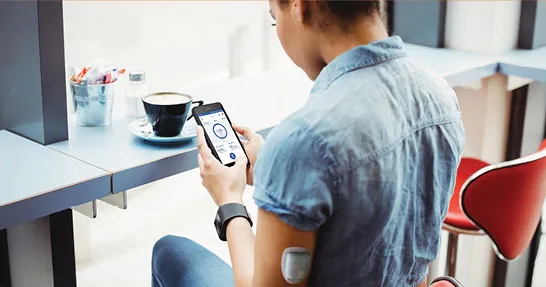
For those using continuous glucose monitors (CGMs), ensuring you hear your alerts is critical, especially at night. Try these tricks:
- Turn up the volume: Increase notification sound levels in your app settings.
- Use a sound amplifier: Placing your CGM receiver or phone inside a glass next to your bed amplifies the sound.
- Enable vibration alerts: If sound isn’t reliable, setting strong vibration patterns can help wake you up.
5. Have a “Go Bag” Ready
A pre-packed diabetes kit ensures you’re always prepared, whether for an unexpected trip or an emergency evacuation. Essential items include:
- Blood glucose meter and test strips
- CGM sensors and infusion sets (for insulin pump users)
- Backup insulin and syringes
- Glucose tablets or fast-acting carbs
- Spare batteries and charging cables
- A small coin for battery compartment access
Having these essentials on hand minimizes the stress of last-minute packing and ensures you’re always ready to manage your diabetes anywhere.
6. Make a Portable Sharps Container
Proper disposal of used lancets and needles is crucial for safety. Instead of carrying a bulky sharps container, repurpose an empty prescription bottle or vitamin container:
- Label it clearly with “Sharps – Do Not Recycle.”
- Use a small, secure container that fits in your travel bag.
- Dispose of it safely at a designated sharps disposal facility when full.
7. Contain Used Test Strips Neatly
Used test strips tend to scatter everywhere. Keep them organized by repurposing an empty test strip vial:
- Label it with bright tape or a sticker to differentiate used vs. new strips.
- Dispose of full vials properly according to local waste guidelines.
- Keep a small supply in multiple places—your home, office, and car.
8. Stay Connected and Share Your Tips
Diabetes management is easier with a support system. Join online communities, social media groups, or local diabetes support groups to stay informed and share advice. Your experiences might help someone else navigate their journey.
Take Control with Simple Changes These practical hacks can improve your diabetes management routine, helping you stay prepared and stress-free. From emergency planning to small daily adjustments, these strategies empower you to live a healthier and more convenient life.
What are your favorite diabetes life hacks? Share your comment!
Source: Siamashvili M, Davis HA, Davis SN. Nocturnal hypoglycemia in type 1 and type 2 diabetes: an update on prevalence, prevention, pathophysiology, and patient awareness. Expert Rev Endocrinol Metab. 2021;16(6):281-293. doi:10.1080/17446651.2021.1979391