table of contents

If you live with diabetes, you’ve probably heard the advice: don’t skip breakfast. But did you know that what you eat in the morning can set the tone for your blood sugar the entire day?
Research shows that eating a balanced breakfast not only reduces hunger later in the day but may also improve insulin sensitivity, stabilize glucose levels, and even support weight loss.¹ But that doesn’t mean grabbing a muffin and sugary latte on the way out the door will do the trick.
Many traditional breakfast foods—think sweet cereals, white toast, juice, and pancakes—can cause a blood sugar spike followed by a crash, leaving you tired, cranky, and hungry again an hour later.
So, what should you eat instead?
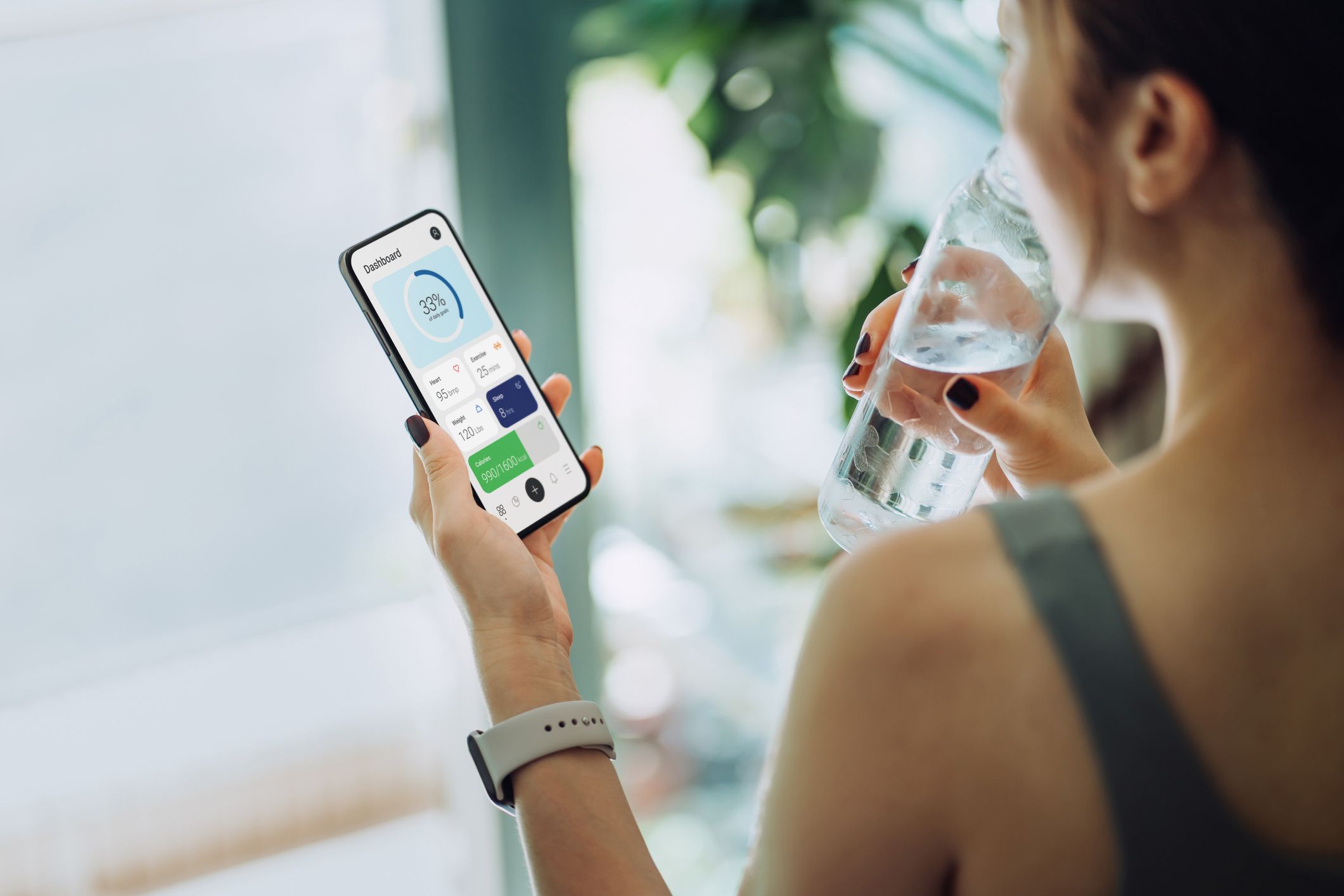
Here are seven diabetes-friendly breakfast ideas that are packed with protein, fiber, and healthy fats to keep your blood sugar steady and your energy high—all easily trackable in your Glucofit app for personalized insight into what fuels your body best.
1. Eggs
Eggs are a true breakfast MVP. With about 6 grams of protein and less than 1 gram of carbs per egg, they help you feel full without spiking your glucose.²
Studies have shown that eating two eggs daily may improve A1c and fasting glucose levels.²
How to enjoy them:
-
Scrambled with spinach and tomatoes
-
Hard-boiled for a grab-and-go option
-
Omelet loaded with non-starchy veggies
-
Poached on a slice of multigrain toast
Glucofit tip: Track your blood sugar 1–2 hours after an egg-based meal. You’ll likely notice a much gentler glucose curve compared to high-carb breakfasts.
2. Oatmeal
Oatmeal may be a carb-heavy food, but its high soluble fiber content makes it a great option for people with diabetes. Fiber slows down digestion and reduces blood sugar spikes after eating.³
Choose steel-cut or rolled oats rather than instant varieties, and skip flavored packets which often contain added sugars.
Additions that work:
-
A spoonful of unsweetened Greek yogurt
-
A sprinkle of cinnamon (shown to improve insulin sensitivity)
-
A handful of walnuts or chia seeds for healthy fats
-
Fresh berries for natural sweetness
Glucofit tip: Use your app to compare how different oatmeal toppings affect your post-breakfast glucose readings.

3. Unsweetened Yogurt
Yogurt, especially Greek yogurt, is rich in protein, calcium, and probiotics that support gut health. Choose plain, unsweetened varieties to avoid hidden sugars.⁴
Dairy products have been linked to improved blood glucose control in some studies, potentially lowering the risk of insulin resistance.⁴
Top it with:
-
Fresh raspberries or blueberries
-
Slivered almonds or walnuts
-
Ground flaxseed or pumpkin seeds
-
A drizzle of nut butter
Glucofit tip: Pair yogurt with a small portion of oats or whole-grain granola for a balanced carb-protein-fat combo. Log the mix to spot what keeps you full longest.
4. Multigrain Avocado Toast
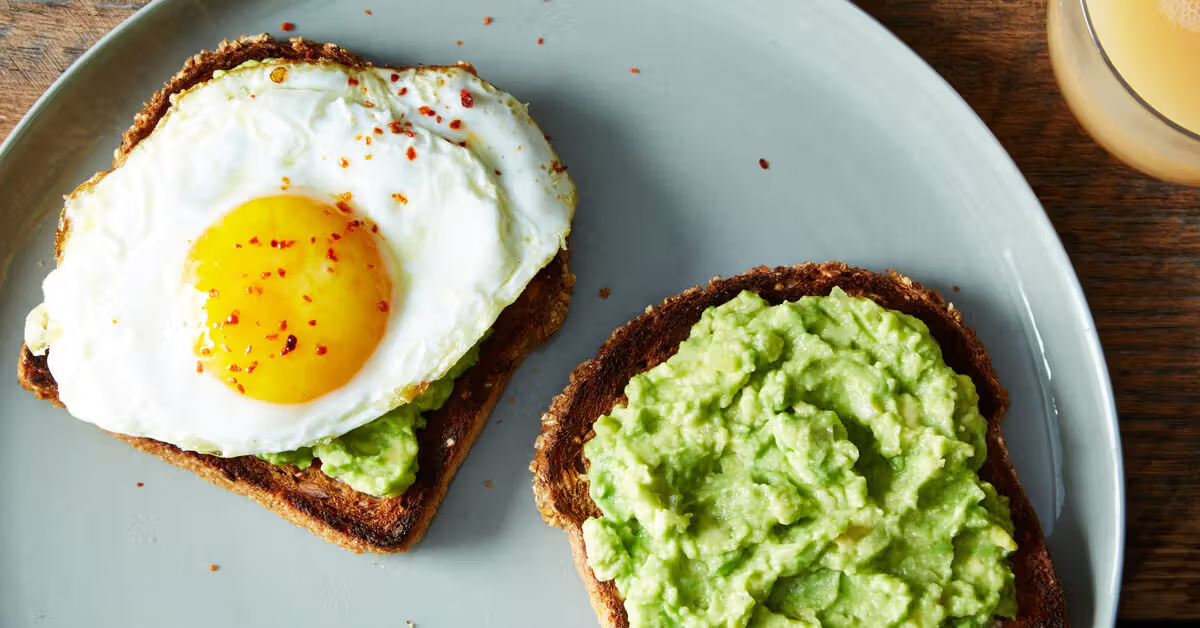
Avocado toast isn’t just trendy—it’s blood sugar friendly when done right. Avocados are loaded with heart-healthy monounsaturated fats that help slow glucose absorption, and multigrain bread offers fiber and complex carbs that break down more slowly than white bread.
Boost your breakfast by topping your toast with:
-
A fried or poached egg
-
Crushed red pepper or chili flakes for flavor
-
A squeeze of lemon juice or sprinkle of sesame seeds
Choose breads with at least 3 grams of fiber per slice and check for minimal added sugars.
Glucofit tip: If you experience a glucose dip mid-morning, consider pairing this meal with a side of protein, like cottage cheese or Greek yogurt.
5. Cottage Cheese with Fruit or Nuts
Cottage cheese is a protein-rich, low-carb food that can be sweet or savory. It’s especially helpful for people with diabetes who need to balance morning carbs with protein to stabilize blood sugar.⁵
Try pairing it with:
-
Fresh peach slices or melon
-
Chopped walnuts or almonds
-
A sprinkle of cinnamon or cocoa powder
-
A spoonful of chia or hemp seeds
Glucofit tip: Add your blood glucose reading before and after breakfast in the app, and note how long this meal keeps you satisfied—it’s often longer than carb-heavy options.
More Diabetes Breakfast Tips
Here are a few bonus strategies to make every breakfast a better one:
-
Swap out white bread for whole-grain or sprouted grain bread.
-
Eat whole fruit instead of fruit juice. Juice lacks fiber and spikes glucose quickly.
-
Prioritize protein: Eggs, Greek yogurt, legumes, nuts, and lean meats keep you full.
-
Be mindful of carbs: Count your breakfast carbs using Glucofit’s meal tracking tool.
-
Add fiber whenever you can: Whole grains, seeds, fruit, and veggies all help slow glucose absorption.
-
Choose healthy fats: Think avocado, olive oil, seeds, and nut butters instead of bacon and sausage.
-
Watch portions: Even healthy carbs can spike blood sugar in large amounts.
-
Limit sugary spreads: Skip jams and syrups. Add flavor with nut butter or fruit instead.
Final Thought
Breakfast is more than a habit—it’s an opportunity to fuel your body in a way that supports better blood sugar control, improved energy, and fewer cravings throughout the day.
By choosing diabetes-friendly breakfast foods and tracking how they affect your body using Glucofit, you’ll gain more insight into your personal glucose patterns and make more informed choices.
So tomorrow morning, skip the donut. Go for the eggs, oats, or avocado toast. Your body—and your blood sugar—will thank you.